Ensuring our beloved cats and dogs stay well-hydrated is paramount for their health, yet it’s a challenge many pet parents face. Traditional water bowls often collect dust, debris, and quickly become stagnant, making them unappealing to our furry companions. This can lead to insufficient water intake, potentially contributing to various health issues from urinary tract problems in cats to general lethargy in dogs. Fortunately, the evolution of pet-friendly water dispensers offers a sophisticated and convenient solution, providing a continuous supply of fresh, clean water that actively encourages pets to drink more. This comprehensive guide will navigate the world of pet water dispensers, helping you choose the perfect model to keep your pets happy, healthy, and hydrated.
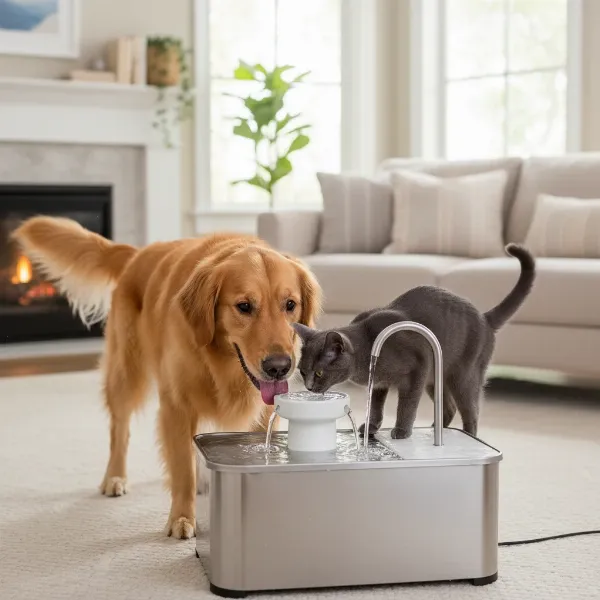 Happy cat and dog drinking fresh water from a modern pet water dispenser.
Why Hydration Matters: The Crucial Role of Water Dispensers for Pets
Consistent access to fresh water is fundamental for the overall health and well-being of cats and dogs. Proper hydration supports vital bodily functions, including nutrient absorption, temperature regulation, joint lubrication, and efficient waste elimination through the kidneys. When pets don’t drink enough, they can become dehydrated, leading to serious health complications over time.
Pet water dispensers play a crucial role in preventing dehydration by making water more appealing and accessible. Many designs feature circulating water, which naturally attracts pets due to its movement and perceived freshness. Unlike still water in a bowl, moving water is often seen as safer and more stimulating, encouraging even picky drinkers to quench their thirst regularly.
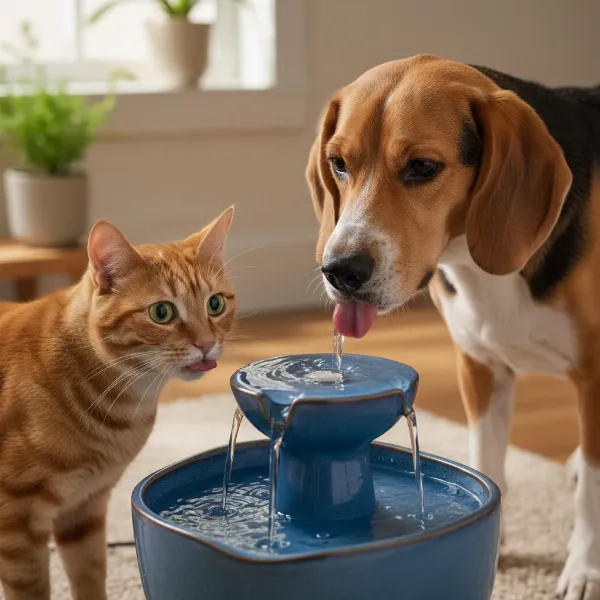 A cat and a dog are curiously approaching and drinking from a pet water fountain with circulating water.
Unveiling the Types: Choosing the Right Water Dispenser for Your Furry Friends
Understanding the different types of pet water dispensers is the first step in selecting the best option for your home and pets. Each type offers distinct advantages and caters to varying needs and preferences.
Gravity Water Dispensers: Simple and Reliable
|
Our Picks for the Best Water Dispenser in 2026
As an Amazon Associate I earn from qualifying purchases.
|
||
| Num | Product | Action |
|---|---|---|
| 1 | Brio Self Cleaning Bottom Loading Water Cooler Water Dispenser – Black Stainless Steel - 3 Temperature Settings - Hot, Room & Cold Water |

|
| 2 | New Wave Enviro Porcelain Water Dispenser, Classic Blue Stripe |
|
| 3 | Brio Self Cleaning Bottom Loading Water Cooler Water Dispenser – Limited Edition - 3 Temperature Settings - Hot, Cold & Cool Water |
|
| 4 | Igloo Top Loading Water Cooler – Hot & Cold Dispenser – Black & Stainless Steel, Holds 3 & 5 Gallon Jugs, Child Safety Lock – for Homes, Kitchens, Offices, Dorms |
|
| 5 | Water Dispenser 5 Gallon Water Bottle Pump |
|
| 6 | Brio Limited Edition Top Loading Water Cooler Dispenser - Hot & Cold Water, Child Safety Lock, Holds 3 or 5 Gallon Bottles - UL/Energy Star Approved |
|
| 7 | Brita UltraMax Large Water Dispenser With Standard Filter, BPA-Free, Reduces Copper, Cadmium and Mercury Impurities, Lasts 2 Months or 40 Gallons, Includes 1 Filter, Kitchen Accessories, Large 27-Cup |
|
| 8 | Water Jug Pump for 5 Gallon Bottle – Portable Electric USB-C Charging Dispenser, Dual Powerful Motors, Fast Flow, Fits 2-5 Gallon Jugs – Ideal for Home, Office, Camping, RV, Black |
|
| 9 | Brio 130 Series Top-Load Water Cooler Dispenser for 3- and 5-Gallon Bottles, Hot & Cold, Spill-Free Loading, Child Safety Lock, Energy Star 3.0, Black |
|
| 10 | Brio 520 UV Self-Cleaning Bottleless Water Cooler Dispenser, UL Certified - Built-in 2 Stage Filtration (2 Free Replacement Filters Included) Reduces PFAS & Microplastics - 3 Temp (Hot Cold, Room) |
|
Gravity water dispensers are a straightforward, non-electric option that relies on the simple principle of gravity to refill a drinking bowl from an inverted reservoir.
These dispensers are excellent for their simplicity, reliability, and quiet operation, requiring no electricity. They provide a continuous, steady supply of water without the need for manual refills throughout the day. This makes them an ideal choice for pet owners seeking a low-maintenance solution or for households where power outages are a concern. However, they typically do not offer filtration beyond a basic physical barrier and the water remains still in the bowl, which might not entice all pets.
Electric Pet Water Fountains: Engaging and Filtered
Electric pet water fountains utilize a pump to circulate water, often creating a stream or bubbling effect that many pets find highly enticing.
Electric fountains excel in encouraging pets to drink more due to the appealing movement of the water, mimicking natural outdoor water sources. They often incorporate advanced filtration systems that remove impurities, odors, and unpleasant tastes, providing cleaner, fresher-tasting water. The circulation also helps to oxygenate the water, potentially making it more palatable. While they require an electrical outlet and some models can produce a low hum from the pump, many modern designs feature ultra-quiet pumps to minimize disturbance.
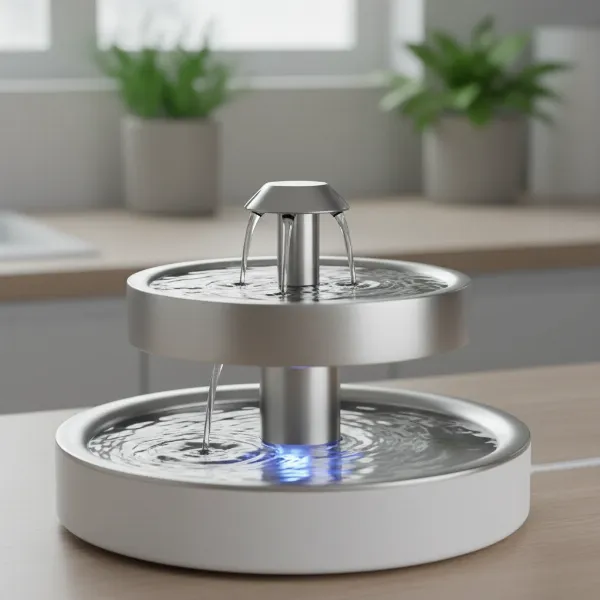 A modern, sleek electric pet water fountain with a bubbling or streaming water effect, showcasing its design.
Key Features to Look For in a Pet Water Dispenser
When choosing a pet water dispenser, several features significantly impact its performance, hygiene, and your pets’ willingness to use it. Paying attention to these details ensures you invest in a product that genuinely benefits your companions.
Material Matters: Stainless Steel vs. Plastic
The material of your pet water dispenser is critical for hygiene, durability, and your pet’s health. Stainless steel is widely regarded as the superior choice due to its non-porous surface, which inhibits bacterial growth and is easy to sanitize.
Plastic dispensers are often more affordable and lightweight, but they can scratch over time, creating crevices where bacteria can thrive, potentially leading to “pet acne” or other skin irritations. Always ensure any plastic dispenser is made from BPA-free, food-grade materials to prevent harmful chemical leaching into your pet’s water. Stainless steel offers better longevity and is typically dishwasher-safe, simplifying cleaning.
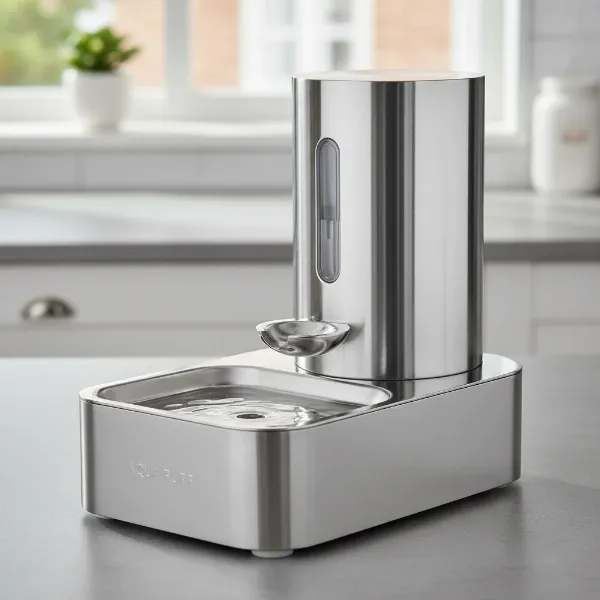 A durable and hygienic stainless steel pet water dispenser, highlighting its clean, non-porous surface.
Capacity Considerations: One Pet or Many?
The water capacity of a dispenser should align with the number and size of your pets, as well as how frequently you wish to refill it. Small capacities are suitable for single cats or small dogs, while larger capacities are essential for multi-pet households or large breeds.
A larger capacity means less frequent refilling, which is a significant convenience for busy owners. Dispensers ranging from 60 ounces (about 1.8 liters) to 10 liters or more are available, catering to various needs. Consider your pet’s daily water intake and how long you want the dispenser to provide fresh water without intervention.
Filtration Systems: Keeping Water Clean and Fresh
An effective filtration system is a cornerstone of a high-quality pet water dispenser, ensuring your pets consume clean and healthy water. Most electric fountains include filters, though gravity models rarely do.
Common filtration types include activated carbon filters, which remove bad tastes and odors, and multi-layer filters that capture hair, dirt, and other debris. Some advanced systems even incorporate ion-exchange resins to soften water or UV sterilization to kill bacteria and viruses. Regular filter replacement is crucial for maintaining water quality and the dispenser’s effectiveness.
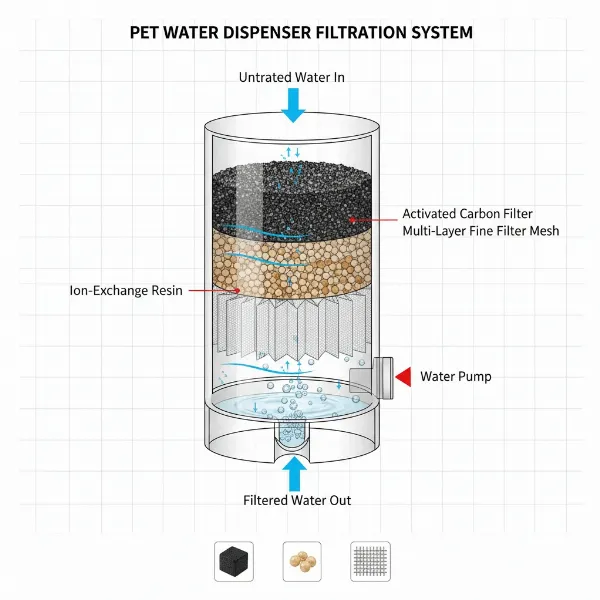 An illustration or cutaway view of a pet water dispenser's filtration system with activated carbon and multi-layer filters.
Noise Level: A Quiet Oasis for Your Pets
The operating noise of an electric water dispenser can be a significant factor for both pets and owners. A loud pump might startle sensitive pets, discouraging them from drinking, and can be disruptive in a quiet home environment.
Many manufacturers now prioritize ultra-quiet pump designs to ensure a peaceful drinking experience for pets and minimal background noise for humans. Look for dispensers advertised with low decibel ratings or silent operation. A quiet fountain ensures your pet feels comfortable approaching and using it, promoting consistent hydration.
Ease of Cleaning and Maintenance
Regardless of the type or features, a pet water dispenser must be easy to clean to maintain proper hygiene. Accumulation of slime, hair, and food particles can quickly turn a beneficial device into a health hazard.
Dispensers with simple designs, few intricate parts, and those made of materials like stainless steel that are entirely dishwasher-safe are generally the easiest to maintain. Look for models that can be disassembled quickly and have smooth surfaces, minimizing nooks and crannies where grime can hide. Regular cleaning, typically weekly, is vital for your pet’s health.
Smart Features and Modern Innovations
Modern pet water dispensers often come equipped with smart features designed to enhance convenience and pet well-being. These innovations can provide added benefits and peace of mind for pet owners.
Some advanced features include low water level indicators or automatic shut-off functions to protect the pump, programmable refresh cycles for optimal water freshness, and even app connectivity for remote monitoring. UV sterilization technology is also emerging, offering an extra layer of protection against bacteria. While not essential, these smart features can significantly improve the user experience and ensure your pets always have access to pristine water.
Choosing the Best Dispenser: A Practical Buying Guide
Selecting the ideal pet water dispenser requires a thoughtful assessment of your specific needs, your pet’s habits, and your home environment. A personalized approach ensures the best fit.
Firstly, consider your pet’s personality. Is your cat wary of new objects or loud noises? A quiet, simple gravity dispenser might be best. Does your dog love to play with water? An interactive fountain could be more engaging. Secondly, assess the size and number of your pets to determine the necessary capacity. Multi-pet homes will benefit from larger reservoirs and possibly multi-stream fountains. Thirdly, evaluate your lifestyle; if you’re frequently away, a larger capacity and advanced filtration will reduce maintenance. Lastly, balance your budget with desired features. While basic models are affordable, investing in a durable, feature-rich dispenser can offer long-term benefits for your pet’s health and your convenience.
Top Brands and Trusted Choices in Pet Water Dispensers
The market offers a wide array of pet water dispenser brands, each with its own strengths. Some popular and reliable choices include PetSafe, known for its diverse range of fountains with various flow options and filtration systems; Pioneer Pet, recognized for its stainless steel designs and enticing circulating water; Oneisall, which offers large-capacity, quiet, and durable stainless steel options; and brands like Veken, Bueteka, and Petlibro, offering innovative features such as UV sterilization or unique designs.
Maintenance Tips for Longevity and Hygiene
Proper maintenance is critical for extending the lifespan of your pet water dispenser and, more importantly, for ensuring your pets consistently drink clean and healthy water. Neglecting cleaning can quickly lead to bacterial buildup and decreased appeal.
Regular cleaning of all dispenser components with warm, soapy water is essential, ideally once a week. For electric fountains, pay special attention to the pump, as mineral deposits and pet hair can obstruct its function; disassemble and clean it according to the manufacturer’s instructions. Replace filters as recommended, typically every 2-4 weeks, to maintain effective filtration. Position the dispenser in a cool, shaded area away from direct sunlight to minimize algae growth and evaporation. By adhering to these simple practices, you can ensure your pet’s water source remains hygienic and inviting.
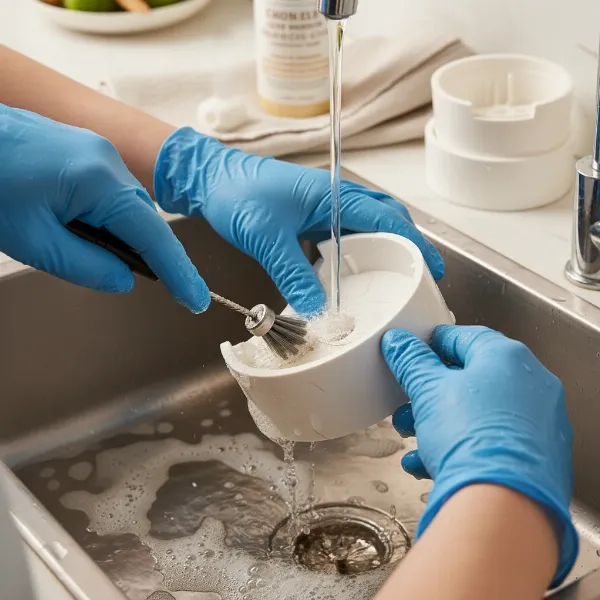 A person cleaning components of a pet water dispenser with a brush and soapy water to ensure hygiene.
“Many pet owners underestimate the impact of water quality on their pets’ health. A well-maintained water dispenser with effective filtration can make a significant difference in preventing common health issues linked to dehydration and contaminated water.” – Dr. Emily R. Carter, Veterinarian specializing in Feline and Canine Nutrition.
Conclusion
Providing fresh, clean, and appealing water is one of the simplest yet most impactful ways to safeguard your pet’s health. Pet-friendly water dispensers for cats and dogs offer a modern solution to an age-old challenge, encouraging consistent hydration through innovative designs, effective filtration, and convenient features. Whether you opt for the simplicity of a gravity dispenser or the engaging flow of an electric fountain, selecting a model that prioritizes hygiene, capacity, and quiet operation will ensure your beloved companions thrive. By making a thoughtful choice, you’ll not only enhance their daily comfort but also contribute significantly to their long-term vitality.
What steps will you take today to upgrade your pet’s hydration experience and ensure they always have access to the purest water?
Frequently Asked Questions
How often should I clean my pet’s water dispenser?
For optimal hygiene, you should clean your pet’s water dispenser at least once a week. This includes disassembling and washing all components, especially the pump in electric fountains, to prevent the buildup of slime, bacteria, and mineral deposits. Regular cleaning ensures the water remains fresh and safe.
Are pet water fountains safe for all pets?
Yes, pet water fountains are generally safe for most cats and dogs. The circulating water can entice even reluctant drinkers, promoting better hydration. However, always ensure the fountain is made from pet-safe, BPA-free materials and that any cords are safely tucked away to prevent chewing hazards.
Why won’t my cat drink from a still water bowl?
Many cats have an instinctual preference for moving water, viewing it as fresher and safer than still water, which can harbor bacteria in the wild. A stagnant bowl might also be too close to their food, which some cats dislike. A water fountain mimics natural sources, making drinking more appealing.
What’s the difference between gravity and electric dispensers?
Gravity dispensers use no electricity, relying on a reservoir and gravity to refill a bowl, offering simple, continuous access to still water. Electric fountains use a pump to circulate water, often with filtration, actively enticing pets to drink and providing oxygenated, filtered water.
Can I use tap water in a pet water dispenser?
Yes, tap water is typically fine for most pet water dispensers, provided your household tap water is safe for human consumption. Many electric fountains include filters to remove chlorine, impurities, and odors often found in tap water, further enhancing its taste and safety for your pets.