Imagine a refreshing glass of water, crisp and pure, ready at your fingertips. Water dispensers offer this convenience, providing instant hydration, whether hot or cold. But have you ever considered the hidden aspects of this essential appliance? Just like any other household device handling consumables, your water dispenser requires regular attention to remain a source of truly clean and healthy drinking water. Neglecting its upkeep can turn your convenient hydration station into an unwelcome breeding ground for contaminants. This guide will walk you through the essential cleaning frequencies, methods, and why maintaining a sparkling clean water dispenser is crucial for everyone’s well-being.
Why Regular Water Dispenser Cleaning is Non-Negotiable
Maintaining your water dispenser goes beyond aesthetics; it’s fundamental to your health and the longevity of the appliance. A dirty water dispenser can compromise the very water it provides, leading to potential health risks and a diminished drinking experience.
Preventing Harmful Bacteria and Microorganisms
|
Our Picks for the Best Water Dispenser in 2026
As an Amazon Associate I earn from qualifying purchases.
|
||
| Num | Product | Action |
|---|---|---|
| 1 | Water Jug Pump for 5 Gallon Bottle – Portable Electric USB-C Charging Dispenser, Dual Powerful Motors, Fast Flow, Fits 2-5 Gallon Jugs – Ideal for Home, Office, Camping, RV, Black |

|
| 2 | Brio Limited Edition Top Loading Water Cooler Dispenser - Hot & Cold Water, Child Safety Lock, Holds 3 or 5 Gallon Bottles - UL/Energy Star Approved |
|
| 3 | New Wave Enviro Porcelain Water Dispenser, Classic Blue Stripe |
|
| 4 | Igloo Top Loading Water Cooler – Hot & Cold Dispenser – Black & Stainless Steel, Holds 3 & 5 Gallon Jugs, Child Safety Lock – for Homes, Kitchens, Offices, Dorms |
|
| 5 | Brio 520 UV Self-Cleaning Bottleless Water Cooler Dispenser, UL Certified - Built-in 2 Stage Filtration (2 Free Replacement Filters Included) Reduces PFAS & Microplastics - 3 Temp (Hot Cold, Room) |
|
| 6 | Brio 130 Series Top-Load Water Cooler Dispenser for 3- and 5-Gallon Bottles, Hot & Cold, Spill-Free Loading, Child Safety Lock, Energy Star 3.0, Black |
|
| 7 | Water Dispenser 5 Gallon Water Bottle Pump |
|
| 8 | Brio Self Cleaning Bottom Loading Water Cooler Water Dispenser – Black Stainless Steel - 3 Temperature Settings - Hot, Room & Cold Water |
|
| 9 | Brita UltraMax Large Water Dispenser With Standard Filter, BPA-Free, Reduces Copper, Cadmium and Mercury Impurities, Lasts 2 Months or 40 Gallons, Includes 1 Filter, Kitchen Accessories, Large 27-Cup |
|
| 10 | Brio Self Cleaning Bottom Loading Water Cooler Water Dispenser – Limited Edition - 3 Temperature Settings - Hot, Cold & Cool Water |
|
Water, while seemingly innocuous, can become a hospitable environment for unwelcome guests if left stagnant or unmaintained. Over time, bacteria such as Legionella and E. coli, along with molds and algae, can flourish within the dispenser’s reservoir, pipes, and taps, especially in warm or humid conditions. These microorganisms can contaminate the drinking water, posing significant health threats. Regular cleaning eliminates these harmful agents, ensuring your water remains safe.
Ensuring Pristine Water Quality and Taste
An unkempt water dispenser can profoundly impact the taste and smell of your water. Sediment buildup, algae growth, and mineral deposits from hard water can contribute to an unpleasant, stale, or even metallic flavor. This not only makes your water less appealing but also signals a potential hygiene issue. Consistent cleaning helps preserve the fresh, clean taste you expect from your filtered or bottled water.
Safeguarding Your Health
The most critical reason to clean your water dispenser is to protect your health. Drinking contaminated water from a neglected dispenser can lead to various waterborne illnesses, ranging from mild gastrointestinal problems to more severe infections. Ensuring your dispenser is regularly sanitized is a proactive step in preventing sickness for you, your family, or your colleagues.
Extending the Lifespan of Your Appliance
Beyond health concerns, regular maintenance contributes significantly to the operational efficiency and lifespan of your water dispenser. Mineral buildup, especially in hard water areas, can lead to blockages and reduce the effectiveness of heating and cooling elements. By preventing these issues, you protect your investment and ensure your dispenser continues to function optimally for years to come.
Understanding Water Dispenser Cleaning Frequencies
The ideal cleaning schedule for your water dispenser is a multi-tiered approach, combining quick daily attention with thorough deep cleaning sessions. Different parts of the dispenser require varying levels of care to maintain peak hygiene.
Daily/Weekly Quick Wipes
For immediate cleanliness, it’s a good practice to wipe down the exterior surfaces of your water dispenser daily or at least several times a week. This includes the taps, nozzles, and any high-touch areas where hands frequently make contact. Using a food-safe sanitizing wipe or a clean cloth with mild soap can effectively remove visible dirt, spills, and surface bacteria, preventing them from accumulating. Don’t forget to empty and clean the drip tray regularly, as it’s a prime spot for stagnant water and bacterial growth.
Monthly Flushing for Freshness
Beyond daily wiping, a more internal refresh is recommended monthly. This involves completely draining any residual water from the dispenser’s internal system to prevent stagnation. Once drained, flush the dispenser with fresh water to clear out any lingering impurities. This simple step helps maintain interior hygiene and ensures your water always tastes fresh.
Quarterly to Bi-Annual Deep Sanitization
A thorough deep cleaning and sanitization of your water dispenser should be performed every 3 to 6 months. For some residential users with lower usage, a 6-12 month interval might be acceptable, but consistency is key. This process involves disassembling accessible parts, scrubbing the reservoir, and treating the internal components with a sanitizing solution to eliminate bacteria, mold, and mineral buildup. This level of cleaning is crucial for maintaining internal purity.
Professional Servicing for Peak Performance
While DIY cleaning is effective for regular maintenance, professional servicing offers a comprehensive approach. For corporate settings or high-usage environments, servicing every 3 months is often recommended due to increased consumption. Professional technicians can completely disassemble the unit, sterilize all internal components, check for wear, and replace filters if applicable, ensuring the highest level of cleanliness and optimal performance. Consider scheduling professional maintenance at least once a year for a complete inspection.
Factors Influencing Your Cleaning Schedule
While general guidelines exist, the optimal cleaning frequency for your water dispenser can vary based on several key factors. Understanding these can help you tailor a schedule that perfectly fits your specific needs.
Usage Volume
The more frequently your water dispenser is used, the more often it needs cleaning. High-traffic environments like busy offices, gyms, or large households will naturally accumulate dirt and bacteria faster than a dispenser in a less-used home setting. High usage means more hands touching the taps and more water flowing through the system, increasing the potential for contamination. For corporate customers, some services recommend cleaning every three months due to higher consumption.
Environmental Conditions
The environment where your water dispenser is located plays a significant role in its cleanliness. Dispensers placed in dusty areas, humid climates, or direct sunlight are more prone to bacterial and algal growth. Direct sunlight, for instance, can cause algae to form inside water bottles, affecting water quality and taste. High humidity can also lead to mold growth within the internal mechanisms. Keep your dispenser in a cool, shaded, and well-ventilated area to minimize these risks.
Type of Water Dispenser
Different types of water dispensers may have slightly different cleaning requirements. Bottled water dispensers, for example, require particular attention to the bottle connection point where contaminants can enter during bottle changes. Mains-fed water dispensers, on the other hand, often incorporate filtration systems that need regular filter changes (typically every 6 to 12 months) in addition to internal cleaning. Always refer to your specific model’s manual for manufacturer-recommended maintenance.
Water Source Quality
The quality of your water source can also influence how often you need to clean. If you use tap water with a high mineral content, you may experience more frequent limescale and mineral buildup, requiring more regular descaling as part of your cleaning routine. Even pure bottled water can be affected if the bottle itself is exposed to direct sunlight or humid conditions, leading to algae.
Step-by-Step Guide: How to Clean Your Water Dispenser Effectively
Cleaning your water dispenser is a straightforward process that can be done with common household items. Follow these steps to ensure a thorough and hygienic clean.
Gather Your Cleaning Supplies
Before you begin, assemble everything you’ll need:
- Cleaning Solution: White vinegar (for a natural option) or a mild bleach solution (1/2 teaspoon bleach per gallon of water). Note: Do not use bleach on hot water dispenser systems; opt for vinegar or specialized food-safe cleaners for hot tanks.
- Clean Cloths or Sponges: Several lint-free cloths or sponges.
- Long-Handled Brush: A clean brush with soft bristles for reaching inside the reservoir.
- Large Bucket or Basin: To catch drained water and for cleaning parts.
- Dish Soap: For cleaning external components and removable parts.
- Safety Gear: Gloves and eye protection, especially when using bleach.
Preparation: Unplug and Drain
Safety first! Always unplug your water dispenser from the power outlet before you begin cleaning to prevent electrical hazards. Next, remove the water bottle (if applicable) and drain all remaining water from both the hot and cold spigots until the reservoir is completely empty.
Cleaning the External Components
Start by cleaning the exterior of the unit. Wipe down the entire surface with a clean cloth dampened with a mild dish soap solution, paying special attention to the dispensing area, buttons, and handles. Don’t forget the drip tray; remove it, wash it thoroughly with soap and water, and rinse it clean. If your dispenser has a no-spill guard or baffle, remove these carefully and clean them by hand or in a dishwasher if they are dishwasher-safe.
Sanitizing the Internal Reservoir and Taps
This is where your chosen cleaning solution comes into play.
- For Vinegar: Fill the dispenser’s reservoir with a mixture of one part white vinegar to three parts water. Allow the solution to sit for 30 minutes to an hour to break down mineral deposits and kill bacteria.
- For Bleach (Cold Water Dispensers Only): Mix 1/2 teaspoon of household bleach with one gallon (or 4 cups) of water. Pour this solution into the reservoir until it’s about one-third full. Use your long-handled brush to scrub the inside surfaces of the reservoir. Let the bleach solution sit for no longer than 5 minutes.
Once the solution has had time to work, dispense a small amount through each tap to clean the internal lines.
Flushing and Rinsing Thoroughly
After sanitizing, drain the cleaning solution completely from the reservoir through the spigots. This is a critical step to ensure no cleaning solution residue remains. Then, refill the reservoir with fresh, clean water and flush it through all the taps. Repeat this rinsing process at least two to three times until you can no longer detect any scent or taste of the cleaning solution.
Reassembly and Final Steps
Once thoroughly rinsed, reassemble any removed parts like the no-spill guard and baffle. Place a new water bottle on top (if applicable), plug the dispenser back in, and allow it to cool or heat the water to the desired temperature. Your water dispenser is now clean, sanitized, and ready to provide fresh, healthy hydration.
Essential Tips for Maintaining a Sparkling Clean Water Dispenser
Beyond the regular cleaning routine, a few proactive measures can significantly contribute to keeping your water dispenser hygienic and functioning efficiently.
Strategic Placement
Where you place your water dispenser matters. Avoid positioning it in direct sunlight or overly humid environments, as these conditions can accelerate algae growth in bottled dispensers and foster bacterial development within the unit. A cool, shaded area is ideal.
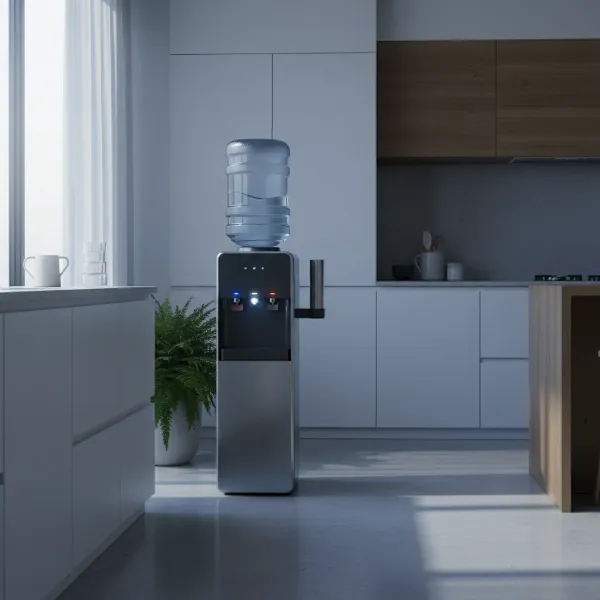 A clean water dispenser placed in a cool, shaded kitchen corner, away from direct sunlight, emphasizing optimal placement for hygiene.
Proper Bottle Handling
When changing water bottles, always wash your hands thoroughly. This minimizes the risk of transferring germs to the bottle’s neck, which could then contaminate the dispenser’s reservoir. Also, resist the urge to refill empty water bottles with tap water, as this can introduce bacteria from the tap into your dispenser.
Filter Maintenance
For plumbed-in or filtered water dispensers, adhering to the manufacturer’s recommendations for filter replacement is crucial. Filters are designed to capture impurities, and an old, clogged filter can become a breeding ground for bacteria or simply cease to be effective, negating its purpose. Typically, filters should be changed every 6 to 12 months.
Encourage Good Hygiene
In shared spaces, encourage users to practice good hygiene, such as washing their hands before using the dispenser and using clean cups. A simple sign can serve as a friendly reminder, contributing to overall cleanliness.
> “A water dispenser is only as clean as its last maintenance. Consistent care is the foundation of fresh, safe drinking water.” – Admin, WaterDispenserPro.com
Conclusion
Maintaining a clean water dispenser is not merely a chore; it’s a vital practice for ensuring the health and safety of everyone who uses it. From preventing the proliferation of harmful bacteria and algae to preserving the pristine taste of your water and extending your appliance’s lifespan, the benefits are clear. By adopting a regular cleaning schedule that includes daily wipes, monthly flushes, and quarterly to bi-annual deep sanitization, you can confidently enjoy refreshing, contaminant-free hydration. Remember, the journey to pure water begins with a clean dispenser. How will you integrate these essential cleaning habits into your routine to ensure your water dispenser remains a trusted source of vitality?
Frequently Asked Questions
How often should I perform a deep clean of my water dispenser?
A deep clean, involving internal sanitization with solutions like vinegar or bleach (for cold water units), is recommended every 3 to 6 months. This helps eliminate stubborn bacteria, mold, and mineral buildup that regular cleaning might miss, ensuring your water quality remains high.
Can I use dish soap to clean the inside of my water dispenser?
It’s generally not recommended to use dish soap for the internal reservoir or lines. Dish soap can leave residues that are difficult to rinse completely and might affect the taste of your water or, in some cases, not be food-safe for internal appliance parts. Stick to vinegar or diluted bleach for internal sanitization.
What are the signs that my water dispenser needs cleaning?
Common signs include a strange taste or odor in the water, visible mold or algae growth (especially around the bottle or taps), slower water flow, or a slimy film on internal surfaces. If you notice any of these, it’s definitely time for a thorough cleaning.
Is professional water dispenser cleaning necessary?
While regular DIY cleaning is highly effective, professional cleaning can be beneficial, especially for high-usage dispensers or if you suspect a deeper issue. Professionals can thoroughly disassemble, clean, and inspect all components, ensuring comprehensive sanitization and optimal operation.
Can a dirty water dispenser make you sick?
Yes, absolutely. A water dispenser that isn’t cleaned regularly can harbor harmful bacteria like E. coli or Legionella. Drinking water contaminated with these microorganisms can lead to various waterborne illnesses, including gastrointestinal problems and more severe infections.