A water dispenser brings refreshing convenience to any home or office, providing instant access to chilled or hot water. Yet, beneath its sleek exterior lies a crucial component that often goes unnoticed: the drip tray. This seemingly minor part can become a breeding ground for mold and bacteria if neglected, compromising your water quality and potentially your health. Understanding how to properly clean and maintain this area is paramount to ensuring your dispenser remains a source of pure hydration.
The Unseen Threat: Why Your Water Dispenser Drip Tray Needs Attention
The drip tray beneath your water dispenser is designed to catch stray drips and minor spills, preventing water from accumulating on the floor. While practical, this constant exposure to moisture creates an ideal environment for mold and mildew to flourish, along with mineral deposits from evaporating water. You might notice dark spots, slimy residue, or even an unpleasant smell emanating from the area. Beyond being unsightly, these contaminants can impact the taste and quality of your drinking water and pose health risks, particularly for individuals with allergies or respiratory sensitivities. Regular and thorough cleaning of the water dispenser drip tray is essential for maintaining a hygienic water source and prolonging the life of your appliance.
Essential Tools and Cleaning Solutions for a Sparkling Drip Tray
Before you begin your cleaning routine, gather a few common household items to ensure you have everything you need for an effective clean. These tools and solutions are generally safe for most water dispenser materials and highly effective against common drip tray issues like mold and hard water stains.
Here’s a list of what you’ll need:
- Dish Soap: A mild dishwashing liquid, diluted with warm water, is excellent for general cleaning and breaking down surface grime.
- White Distilled Vinegar: This natural acid is a powerful descaler, dissolving mineral deposits, and an effective disinfectant, killing mold and bacteria.
- Scrub Brush or Sponge: A small scrub brush, an old toothbrush, or the abrasive side of a sponge is perfect for tackling stubborn residues and reaching into crevices.
- Soft Cloths or Paper Towels: For wiping surfaces and drying.
- Soaking Container: A plastic or glass container large enough to immerse your drip tray will be useful for deeper cleaning.
- Gloves: Recommended for protecting your hands, especially if you opt for stronger cleaning agents or have sensitive skin.
Step-by-Step Guide: How to Effectively Clean Your Water Dispenser Drip Tray
Cleaning your water dispenser’s drip tray is a straightforward process that doesn’t require extensive time or specialized equipment. By following these steps, you can ensure this critical component remains clean and hygienic. The key is consistency and thoroughness in each stage.
- Prepare for Cleaning: Always start by unplugging your water dispenser from the power outlet to ensure safety. Carefully remove the drip tray from its designated slot. Some models may have a removable grid on top of the tray; remove this as well.
- Initial Wash with Soap and Water: Rinse the drip tray and its components under warm running water to remove any loose debris or standing water. Then, wash them thoroughly with warm, soapy water and a soft cloth or sponge. This removes surface dirt and any fresh spills.
- Deep Cleaning and Soaking: For a more intense clean, especially if you notice hard water stains or mold, prepare a soaking solution. Place the drip tray and grid in your soaking container and pour in enough white distilled vinegar to fully submerge them. For stubborn stains, you can let them soak for 30 minutes to an hour, or even overnight. The vinegar will work to dissolve mineral buildup and disinfect the surfaces.
- Scrub Away Residue: After soaking, use your scrub brush or an old toothbrush to gently scrub away any remaining hard water deposits, mold, or slimy residue. Pay close attention to corners, grooves, and any textured areas on the grid where grime might accumulate.
- Thorough Rinsing: Once scrubbing is complete, rinse all components thoroughly under clean, running water. Ensure all traces of vinegar or soap are completely gone, as any residue can affect the taste of your water.
- Dry Completely: This step is crucial for preventing future mold growth. Use a clean, dry cloth or paper towels to thoroughly dry the drip tray and its grid. Allow them to air dry completely before reassembling. Excess moisture is mold’s best friend.
- Clean Surrounding Areas: Don’t forget the area where the drip tray sits. Wipe down the external surfaces of the dispenser around the drip tray with a damp, soapy cloth, then rinse and dry thoroughly.
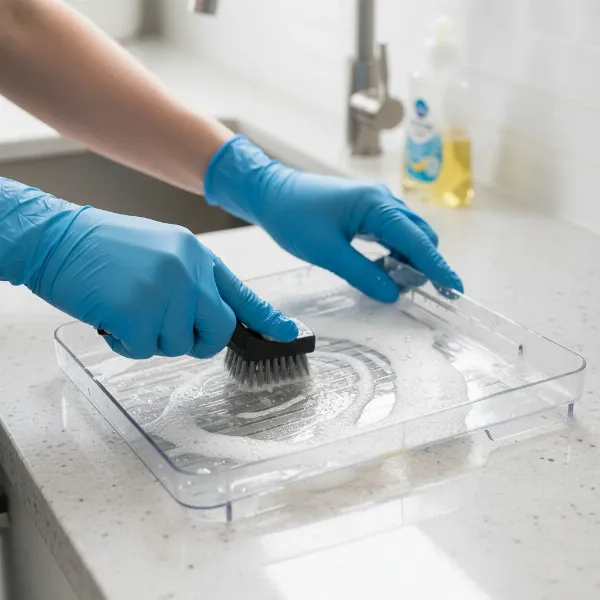 A person cleaning a water dispenser drip tray with a brush and soapy water, emphasizing hygiene and mold prevention.
Preventing Mold Growth: Best Practices for a Hygienic Water Dispenser
A clean drip tray is just one part of maintaining a pristine water dispenser. Proactive prevention is key to keeping mold and bacteria at bay, ensuring your water is always fresh and safe. Integrating these practices into your routine will significantly reduce the likelihood of issues.
- Regular Cleaning is Paramount: Make it a habit to clean your drip tray at least once a week. Frequent attention prevents small drips and minor mineral buildup from becoming significant problems. A quick wash with soap and water might be sufficient if done regularly.
- Ensure Complete Dryness: After every cleaning, and especially if you notice spills, ensure the drip tray is completely dry before placing it back into the dispenser. Moisture is the primary catalyst for mold growth.
- Promote Good Ventilation: Position your water dispenser in a well-ventilated area. Stagnant, humid air can encourage mold development.
- Address Spills Immediately: Don’t let spills sit in the drip tray. Wipe them up as soon as they occur to prevent water from evaporating and leaving mineral residues or creating a damp environment for mold.
- Wipe Down Exterior Surfaces: Regularly wipe down the external parts of the dispenser, including the spouts and buttons, with a sanitizing wipe or a cloth dampened with a vinegar solution. This prevents incidental splashes from creating new problem areas.
- Consider Overall Dispenser Cleaning: While the drip tray is the focus, a comprehensive cleaning of the entire water dispenser, including the reservoir and spouts, every 3-6 months can prevent systemic mold or bacterial issues.
“Consistent and thorough cleaning of your water dispenser’s drip tray is not just about aesthetics; it’s a fundamental aspect of maintaining household hygiene and ensuring the safety of your drinking water. Neglecting this small area can have larger implications for your health and the longevity of your appliance.” – Admin, WaterDispenserPro.com, Water Dispenser Maintenance Expert
Conclusion
Maintaining a clean water dispenser drip tray is a simple yet vital task that contributes significantly to the overall hygiene of your home or office and the quality of your drinking water. By consistently following a few straightforward cleaning steps and implementing preventative measures, you can effectively combat mold growth, eliminate unsightly mineral deposits, and ensure your water remains pure and refreshing. Make regular drip tray maintenance a non-negotiable part of your routine. What steps will you take this week to keep your water dispenser spotless and safe?
Frequently Asked Questions
How often should I clean my water dispenser drip tray?
|
Our Picks for the Best Water Dispenser in 2026
As an Amazon Associate I earn from qualifying purchases.
|
||
| Num | Product | Action |
|---|---|---|
| 1 | New Wave Enviro Porcelain Water Dispenser, Classic Blue Stripe |

|
| 2 | Brio 130 Series Top-Load Water Cooler Dispenser for 3- and 5-Gallon Bottles, Hot & Cold, Spill-Free Loading, Child Safety Lock, Energy Star 3.0, Black |
|
| 3 | Water Dispenser 5 Gallon Water Bottle Pump |
|
| 4 | Brio Self Cleaning Bottom Loading Water Cooler Water Dispenser – Limited Edition - 3 Temperature Settings - Hot, Cold & Cool Water |
|
| 5 | Igloo Top Loading Water Cooler – Hot & Cold Dispenser – Black & Stainless Steel, Holds 3 & 5 Gallon Jugs, Child Safety Lock – for Homes, Kitchens, Offices, Dorms |
|
| 6 | Water Jug Pump for 5 Gallon Bottle – Portable Electric USB-C Charging Dispenser, Dual Powerful Motors, Fast Flow, Fits 2-5 Gallon Jugs – Ideal for Home, Office, Camping, RV, Black |
|
| 7 | Brita UltraMax Large Water Dispenser With Standard Filter, BPA-Free, Reduces Copper, Cadmium and Mercury Impurities, Lasts 2 Months or 40 Gallons, Includes 1 Filter, Kitchen Accessories, Large 27-Cup |
|
| 8 | Brio Limited Edition Top Loading Water Cooler Dispenser - Hot & Cold Water, Child Safety Lock, Holds 3 or 5 Gallon Bottles - UL/Energy Star Approved |
|
| 9 | Brio Self Cleaning Bottom Loading Water Cooler Water Dispenser – Black Stainless Steel - 3 Temperature Settings - Hot, Room & Cold Water |
|
| 10 | Brio 520 UV Self-Cleaning Bottleless Water Cooler Dispenser, UL Certified - Built-in 2 Stage Filtration (2 Free Replacement Filters Included) Reduces PFAS & Microplastics - 3 Temp (Hot Cold, Room) |
|
For optimal hygiene and to prevent mold growth, it is recommended to clean your water dispenser drip tray at least once a week. If the dispenser is used heavily or if spills are frequent, more frequent cleaning might be necessary to keep it spotless.
Can I use bleach to clean the drip tray?
Yes, a diluted bleach solution (approximately 1 tablespoon of bleach per gallon of water) can be used for deep sanitization of the drip tray. However, ensure thorough rinsing afterwards to remove all bleach residue. Avoid using bleach on systems with hot water dispensers if instructions advise against it, as some materials may react negatively.
What are the signs of mold in my water dispenser?
Signs of mold in your water dispenser’s drip tray include black or green spots, a slimy texture, and a musty or earthy odor coming from the dispenser. If you observe any of these indicators, it’s crucial to clean the drip tray immediately and thoroughly to prevent further spread.