Maintaining a constant supply of clean, safe drinking water at home or in the office is crucial for good health. While water dispensers offer unparalleled convenience, they can, over time, become breeding grounds for bacteria if not properly maintained. As an experienced technician in water filtration, I’ve seen firsthand how easily these units can develop issues. Understanding How To Detect Bacteria In Your Water Dispenser is the first step toward ensuring the water you drink is truly pure. This guide will walk you through the tell-tale signs, common types of contaminants, and reliable detection methods to help you keep your water supply hygienic.
Why Your Water Dispenser Can Harbor Bacteria
Water dispensers provide a perfect environment for bacterial growth due to several factors. Unlike closed systems, many traditional bottled water dispensers operate as “open” systems, drawing in air from the surrounding environment each time water is dispensed. This air can introduce airborne microorganisms, dust, and other particles directly into the water reservoir. Over time, these introduced contaminants, combined with the presence of water and sometimes light, create ideal conditions for bacteria, mold, and algae to thrive.
A primary culprit behind contamination is the formation of biofilm, a slimy layer of microorganisms that adheres to surfaces. Biofilm can develop on internal components like the water lines, spigots, and reservoir walls, especially in hard-to-reach areas. This layer protects bacteria from sanitizing agents and allows them to multiply, continuously releasing new bacteria into your drinking water. Infrequent cleaning and maintenance further exacerbate this problem, turning a convenient appliance into a potential health risk. Moreover, the spigot, a frequently touched component, can become a point of microbial transfer if hands are not clean when dispensing water.
Visible Signs of Bacterial Contamination
Sometimes, your water dispenser will offer clear visual cues that indicate bacterial contamination. Learning to recognize these signs can help you address the issue promptly before it escalates. These indicators often point to significant microbial growth that requires immediate attention.
One of the most apparent signs is cloudy or discolored water. While clear water doesn’t always guarantee purity, water that appears milky, hazy, or has an unusual tint (yellow, green, or even black) is a strong indicator of microbial presence, algae, or other suspended impurities. This visual change often suggests that bacteria are multiplying rapidly within the water, affecting its clarity and overall appearance.
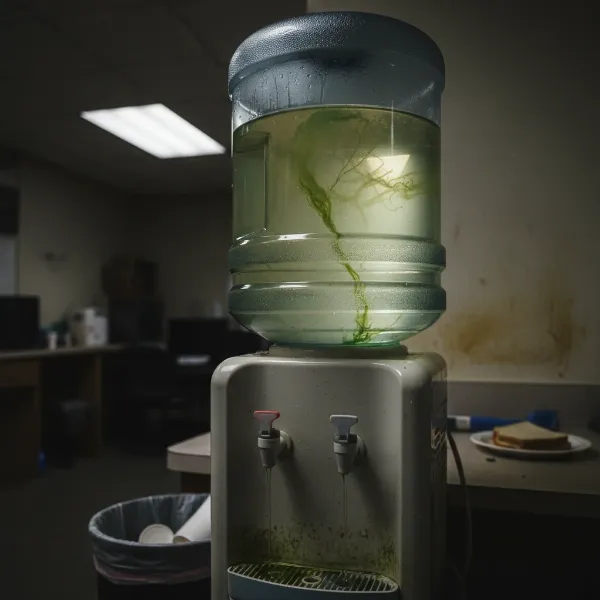 Cloudy or discolored water in a water dispenser, indicating potential bacterial contamination.
Another unmistakable warning sign is the presence of visible slime, mold, or algae. You might observe a greenish or black film around the dispenser’s spout, inside the water reservoir, or along the tubing. This slimy residue is often biofilm, mold, or algae thriving in the moist environment. Algae, in particular, only needs water and light to grow, making transparent water bottles and reservoirs vulnerable. If you see any of these growths, it’s a definitive signal that your water dispenser is compromised and needs thorough cleaning.
Additionally, a reduced water flow can sometimes hint at internal buildup. While a slow trickle isn’t exclusively a sign of bacterial contamination, it often indicates mineral deposits or biofilm accumulation obstructing the water pathways. This blockage reduces efficiency and provides more surfaces for bacteria to cling to and multiply. If your water flow has noticeably decreased, it’s worth investigating as part of your overall dispenser inspection.
Olfactory and Taste Clues
Beyond what you can see, your senses of smell and taste are powerful tools for detecting water contamination. Water should ideally be odorless and tasteless. Any deviation from this neutral profile warrants investigation, as it often points to the presence of undesirable microorganisms or chemical changes.
Offensive odors are a common indicator of bacterial activity. If the water from your dispenser smells “funky,” musty, or stagnant, it’s a strong red flag. A particularly alarming scent is a rotten egg smell, which is typically caused by hydrogen sulfide gas produced by certain types of bacteria, such as sulfur-reducing bacteria. Other unusual odors might include fishy or oily notes, which can also be linked to microbial byproducts or chemical contaminants. These smells are not only unpleasant but also signify that the water’s chemical composition has been altered by bacterial proliferation.
Similarly, an unusual taste can confirm your suspicions. Water contaminated with bacteria or other microbes may taste metallic, bitter, or simply “off.” This change in taste is a direct result of the metabolic activities of bacteria, which release compounds that alter the water’s flavor profile. For instance, a metallic taste could indicate mineral buildup or corrosion, which in turn can foster bacterial growth. Any departure from the clean, crisp taste you expect from drinking water should prompt immediate action to test and clean your dispenser.
Common Bacteria Found in Water Dispensers and Their Health Risks
Water dispensers can harbor a variety of microorganisms, some of which pose significant health risks. Understanding the types of bacteria commonly found and their potential effects can underscore the importance of vigilant detection and maintenance. These contaminants don’t just affect water quality; they can directly impact your well-being.
One of the most frequently detected groups is coliform bacteria, which includes species like E. coli and fecal coliforms. Their presence often signals potential fecal contamination and poor hygiene. Ingesting E. coli can lead to acute gastrointestinal issues, including severe stomach cramps, diarrhea, and vomiting. While many strains are harmless, some can cause serious illness. “Fecal coliforms, including E. coli, are key indicators of possible fecal contamination and highlight deficiencies in hygiene,” notes a recent study on water cooler contamination. [cite: 4 (water coolers dirtier)]
Pseudomonas aeruginosa is another concerning bacterium often found in water dispensers. It thrives in moist environments and can form robust biofilms. While healthy individuals might only experience mild symptoms, P. aeruginosa poses a serious risk to vulnerable groups, such as immunocompromised individuals, transplant recipients, and those with advanced lung disease or cancer. It can lead to severe infections, including respiratory tract infections, urinary tract infections, and various systemic infections, with potential for high morbidity and even mortality.
Heterotrophic bacteria encompass a broad group of microorganisms, including yeasts, molds, and various bacteria, that feed on organic carbon. High heterotrophic plate counts (HPC) often indicate heavy bacterial growth and are a general measure of the overall microbial population in water. While many heterotrophs are not directly pathogenic, elevated levels suggest inadequate sanitation and a favorable environment for other harmful bacteria to thrive.
Other potentially pathogenic microorganisms that have been identified in water dispensers include Legionella (responsible for Legionnaires’ disease, a severe form of pneumonia), Salmonella, Chryseobacterium meningosepticum, Klebsiella, Staphylococcus, Stenotrophomonas, Candida, and Serratia. [cite: 1 (health risks), 3 (microbiological quality), 5 (dangers of refrigerated)] The cumulative health risks from drinking contaminated water range from common stomach bugs and digestive issues to more serious infections, respiratory problems, and even life-threatening conditions for susceptible populations. “The real danger of contaminated water lies in its potential to cause infections, gut problems, and even severe illnesses like Legionnaires’ disease, especially if cleaning is not frequent,” explains an expert. [cite: 1 (health risks)]
Reliable Methods for Detecting Bacteria
When visual and olfactory cues aren’t enough, or if you simply want confirmation, more reliable methods are available to detect bacteria in your water dispenser. These methods offer varying levels of accuracy and specificity, from convenient home tests to precise laboratory analyses.
Home Water Testing Kits
|
Our Picks for the Best Water Dispenser in 2026
As an Amazon Associate I earn from qualifying purchases.
|
||
| Num | Product | Action |
|---|---|---|
| 1 | Water Dispenser 5 Gallon Water Bottle Pump |

|
| 2 | Brio 520 UV Self-Cleaning Bottleless Water Cooler Dispenser, UL Certified - Built-in 2 Stage Filtration (2 Free Replacement Filters Included) Reduces PFAS & Microplastics - 3 Temp (Hot Cold, Room) |
|
| 3 | Igloo Top Loading Water Cooler – Hot & Cold Dispenser – Black & Stainless Steel, Holds 3 & 5 Gallon Jugs, Child Safety Lock – for Homes, Kitchens, Offices, Dorms |
|
| 4 | Water Jug Pump for 5 Gallon Bottle – Portable Electric USB-C Charging Dispenser, Dual Powerful Motors, Fast Flow, Fits 2-5 Gallon Jugs – Ideal for Home, Office, Camping, RV, Black |
|
| 5 | Brio Self Cleaning Bottom Loading Water Cooler Water Dispenser – Limited Edition - 3 Temperature Settings - Hot, Cold & Cool Water |
|
| 6 | Brita UltraMax Large Water Dispenser With Standard Filter, BPA-Free, Reduces Copper, Cadmium and Mercury Impurities, Lasts 2 Months or 40 Gallons, Includes 1 Filter, Kitchen Accessories, Large 27-Cup |
|
| 7 | Brio 130 Series Top-Load Water Cooler Dispenser for 3- and 5-Gallon Bottles, Hot & Cold, Spill-Free Loading, Child Safety Lock, Energy Star 3.0, Black |
|
| 8 | Brio Limited Edition Top Loading Water Cooler Dispenser - Hot & Cold Water, Child Safety Lock, Holds 3 or 5 Gallon Bottles - UL/Energy Star Approved |
|
| 9 | Brio Self Cleaning Bottom Loading Water Cooler Water Dispenser – Black Stainless Steel - 3 Temperature Settings - Hot, Room & Cold Water |
|
| 10 | New Wave Enviro Porcelain Water Dispenser, Classic Blue Stripe |
|
For a quick and convenient initial assessment, home water testing kits are a popular option. These kits are readily available at hardware stores and online retailers, designed for ease of use by consumers. Typically, you collect a water sample from your dispenser and introduce it to a vial containing a reactive medium. After an incubation period, often 24 to 48 hours, a color change in the sample indicates the presence of bacteria. For instance, some kits will turn green or teal if bacteria are detected, while remaining yellow if the water is free of bacteria. [cite: 5 (diy test kit)]
While home kits provide a helpful first indication of bacterial presence, it’s important to understand their limitations. They often detect general bacterial contamination (like total coliforms) but may not identify specific pathogenic species like E. coli or Pseudomonas aeruginosa. They are generally less accurate than professional laboratory tests and cannot quantify the exact number of bacteria present. Nonetheless, a positive result from a home kit should always prompt further action, either a more thorough cleaning or professional testing.
Professional Laboratory Testing
The most accurate and definitive way to detect bacteria in your water dispenser is through professional laboratory testing. This method involves collecting a water sample according to specific sterile protocols and sending it to a certified laboratory for analysis. Laboratories use advanced techniques such as culturing, membrane filtration, and DNA analysis to identify and quantify various microorganisms, including specific pathogens. They can determine the exact types and concentrations of bacteria, providing a comprehensive understanding of your water quality. [cite: 1 (detect & remove bacteria), 1 (testing water)]
When opting for laboratory testing, ensure you follow their sampling instructions meticulously to avoid contamination of the sample itself. This often includes sterilizing the tap, letting the water run for a few minutes, and not rinsing the sterile collection bottle (which may contain a preservative). Professional testing is recommended if you have persistent symptoms of illness, recurring signs of contamination after cleaning, or if you belong to a vulnerable population group.
Here’s a comparison of common detection methods:
| Detection Method | Description | Pros | Cons |
|---|---|---|---|
| Visual Inspection | Looking for changes in water appearance (cloudiness, slime, algae) | Immediate, no cost | Not always reliable, only visible contamination |
| Olfactory/Taste | Noticing unusual smells (rotten egg, musty) or tastes | Immediate, no cost | Subjective, contamination may not always have a noticeable smell/taste |
| Home Testing Kits | DIY kits that react to bacteria, often with color changes | Convenient, relatively inexpensive | Less accurate than lab tests, may not identify specific bacteria |
| Laboratory Testing | Sending a water sample to a professional lab for analysis | Most accurate, identifies specific bacteria and quantities | Costly, takes time for results, requires proper sterile sampling |
 A close-up of professional laboratory water testing equipment with vials and petri dishes.
Preventing Bacterial Growth in Your Water Dispenser
Detecting bacteria is crucial, but preventing their growth in the first place is the ultimate goal for any water dispenser owner. Proactive maintenance and hygienic practices significantly reduce the risk of contamination, ensuring your water remains clean and safe to drink. Regular care goes a long way in safeguarding your family’s health.
The cornerstone of prevention is a regular cleaning and sanitization schedule. Most experts recommend cleaning your water dispenser at least once a month. This process typically involves unplugging the unit, draining the remaining water, and then cleaning the reservoir, water lines, and spigots with a diluted cleaning solution. A mixture of household bleach (three teaspoons per gallon of water) or distilled white vinegar is effective. After applying the solution and letting it sit for 10-15 minutes, thoroughly rinse all components with fresh water multiple times to remove any chemical residue. Don’t forget to wash external parts like the drip tray and dispensing area weekly with disinfectant wipes or a vinegar solution. [cite: 3 (can bacteria grow), 1 (health risks)]
Proper bottle handling and replacement are also vital. For bottled water dispensers, ensure the neck of the water bottle is clean before placing it on the dispenser. Avoid touching the inside of the bottle opening or the dispenser’s piercing probe with your bare hands. Change water bottles frequently to prevent water from stagnating for extended periods, as stagnant water can foster bacterial growth.
If your dispenser has a built-in filter, regular filter maintenance is critical. Old or clogged filters can themselves become a reservoir for microbes, counteracting their intended purpose. Always follow the manufacturer’s recommendations for filter replacement, or replace them sooner if you notice changes in water quality or flow.
Finally, consider the placement of your water dispenser. Keeping it in a cool, dry place away from direct sunlight and heat can help inhibit the growth of algae and other microorganisms. Excessive moisture in the surrounding environment can also contribute to external mold and mildew buildup, which can eventually find its way into your water.
> “Preventive maintenance is key. Many people overlook the importance of regular cleaning, but it’s the simplest and most effective way to ensure your water dispenser delivers pure, safe water every single day. A few minutes of consistent care can save you from potential health headaches.” – Admin, WaterDispenserPro.com, Water Filtration Expert
Conclusion
The convenience of a water dispenser should never come at the cost of your health. While these appliances are designed to provide easy access to hydration, they can, without proper attention, become sources of bacterial contamination. Recognizing the subtle and overt signs of bacteria, from visual changes and foul odors to understanding potential health risks, empowers you to take prompt action. Whether through diligent visual checks, home testing kits, or professional laboratory analysis, detecting bacteria is a crucial step in maintaining a healthy water supply. By implementing a consistent cleaning regimen, practicing hygienic bottle handling, and adhering to filter maintenance schedules, you can significantly reduce the risk of microbial growth. Proactive care is not just about extending the life of your dispenser; it’s about safeguarding the health and well-being of everyone who drinks from it. How often do you truly check and clean your water dispenser? Making it a regular habit is one of the best investments you can make in your health.
Frequently Asked Questions
How often should I clean my water dispenser to prevent bacteria?
To effectively prevent bacterial growth, you should aim to clean and sanitize your water dispenser at least once a month. For high-traffic environments or if you notice any signs of contamination sooner, more frequent cleaning, such as every two to three weeks, is advisable. Regular cleaning helps disrupt biofilm formation and removes any accumulated sediment or bacteria.
Can I use bleach to clean my water dispenser?
Yes, a diluted bleach solution is a common and effective disinfectant for water dispensers. A solution of three teaspoons of unscented household bleach per gallon of water is generally recommended. After using bleach, it is crucial to rinse all components thoroughly with fresh water multiple times to ensure no chemical residue remains, as leftover bleach can be harmful.
Are all water dispensers prone to bacterial growth?
While some designs are more susceptible than others (e.g., “open system” bottled dispensers drawing in air), all water dispensers have the potential to harbor bacteria if not maintained properly. Factors like water stagnation, ambient temperature, light exposure, and infrequent cleaning contribute to microbial growth regardless of the dispenser type. Regular cleaning is universally important.
What are the immediate health effects of drinking contaminated water?
Drinking water contaminated with bacteria can lead to immediate health effects such as gastrointestinal distress, including stomach cramps, diarrhea, nausea, and vomiting. Depending on the type and concentration of bacteria, more severe symptoms like fever or serious infections can also occur, particularly in vulnerable individuals.
Do water filters eliminate all bacteria?
Water filters vary widely in their ability to remove bacteria. While some advanced filters, such as those with reverse osmosis or certain micron ratings (e.g., 0.2 microns absolute), can effectively remove most bacteria and even viruses, standard carbon filters primarily improve taste and odor and may not remove all microbial contaminants. Always check your filter’s specifications.