In an age where convenience meets health consciousness, self-cleaning water dispensers have emerged as a popular solution for ensuring access to fresh, purified water at home and in the workplace. Among the various technologies employed, self-cleaning ozone systems stand out for their powerful disinfection capabilities. But for many, the term “ozone” raises questions about safety. Is this advanced cleaning method truly safe for you and your family? Let’s dive into the science behind self-cleaning ozone technology and address whether it’s a secure choice for your daily hydration needs.
What is Self-Cleaning Ozone Technology in Water Dispensers?
Self-cleaning ozone technology utilizes ozone (O3), a naturally occurring gas, as a potent disinfectant within the water dispenser’s internal system. Ozone is a highly reactive molecule composed of three oxygen atoms, making it a stronger oxidizer than chlorine. This characteristic allows it to effectively neutralize contaminants. In a water dispenser, this technology is ingeniously integrated to maintain pristine internal conditions without manual scrubbing or harsh chemicals. It’s an automated process designed to keep your water path clean and free from microbial growth.
How Self-Cleaning Ozone Technology Works
The operation of self-cleaning ozone technology in a water dispenser is a marvel of modern sanitation. Typically, the dispenser generates ozone gas from the ambient air using a silent electrical discharge, similar to how lightning creates natural ozone. This generated ozone is then infused into the water or circulated as a gas within the dispenser’s internal reservoir, lines, and taps.
Once introduced, the ozonated water or ozone gas actively targets and breaks down microorganisms such as bacteria, viruses, mold, and biofilm through a process called oxidation. The extra oxygen atom in the ozone molecule detaches and attaches to contaminants, effectively destroying their cellular structure. Crucially, after it has completed its disinfection, ozone rapidly breaks down, reverting back into stable oxygen (O2), leaving behind no chemical residues, dyes, or fragrances. Many self-cleaning dispensers operate on an automated schedule, running cycles periodically to ensure continuous hygiene. This method has a long and established history, having been used in water treatment for over a century.
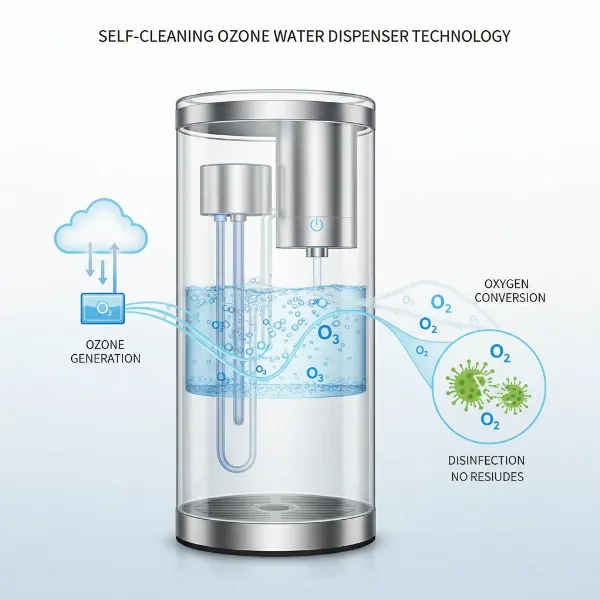 Diagram showing ozone water dispenser self-cleaning mechanism, converting ozone to oxygen for purification.
Is Self-Cleaning Ozone Technology Safe? Addressing the Concerns
The primary question surrounding ozone technology often revolves around its safety. The key to understanding this lies in distinguishing between ozone gas in the air and ozonated water, particularly in the controlled environment of a modern water dispenser.
The Critical Distinction: Gaseous Ozone vs. Ozonated Water
|
Our Picks for the Best Water Dispenser in 2026
As an Amazon Associate I earn from qualifying purchases.
|
||
| Num | Product | Action |
|---|---|---|
| 1 | Brita UltraMax Large Water Dispenser With Standard Filter, BPA-Free, Reduces Copper, Cadmium and Mercury Impurities, Lasts 2 Months or 40 Gallons, Includes 1 Filter, Kitchen Accessories, Large 27-Cup |

|
| 2 | Brio 520 UV Self-Cleaning Bottleless Water Cooler Dispenser, UL Certified - Built-in 2 Stage Filtration (2 Free Replacement Filters Included) Reduces PFAS & Microplastics - 3 Temp (Hot Cold, Room) |
|
| 3 | Igloo Top Loading Water Cooler – Hot & Cold Dispenser – Black & Stainless Steel, Holds 3 & 5 Gallon Jugs, Child Safety Lock – for Homes, Kitchens, Offices, Dorms |
|
| 4 | Brio Self Cleaning Bottom Loading Water Cooler Water Dispenser – Black Stainless Steel - 3 Temperature Settings - Hot, Room & Cold Water |
|
| 5 | Water Dispenser 5 Gallon Water Bottle Pump |
|
| 6 | Brio 130 Series Top-Load Water Cooler Dispenser for 3- and 5-Gallon Bottles, Hot & Cold, Spill-Free Loading, Child Safety Lock, Energy Star 3.0, Black |
|
| 7 | Brio Self Cleaning Bottom Loading Water Cooler Water Dispenser – Limited Edition - 3 Temperature Settings - Hot, Cold & Cool Water |
|
| 8 | Water Jug Pump for 5 Gallon Bottle – Portable Electric USB-C Charging Dispenser, Dual Powerful Motors, Fast Flow, Fits 2-5 Gallon Jugs – Ideal for Home, Office, Camping, RV, Black |
|
| 9 | New Wave Enviro Porcelain Water Dispenser, Classic Blue Stripe |
|
| 10 | Brio Limited Edition Top Loading Water Cooler Dispenser - Hot & Cold Water, Child Safety Lock, Holds 3 or 5 Gallon Bottles - UL/Energy Star Approved |
|
Concerns about ozone safety typically stem from exposure to high concentrations of gaseous ozone in the air. High levels of airborne ozone are indeed harmful; they can cause respiratory irritation, headaches, and exacerbate conditions like asthma. This is why government agencies and health organizations, including the EPA and FDA, advise against using ozone-generating air purifiers in occupied spaces and have raised warnings about certain consumer products, like some CPAP cleaners, that release ozone gas into the breathing environment.
However, the safety profile changes significantly when ozone is dissolved in water. Ozonated water, also known as aqueous or liquid ozone, is generally considered safe for drinking and for contact with food. The U.S. FDA officially approved ozonated water for these purposes in 2001. When ozone is properly dissolved in water for cleaning and then dissipates, it effectively cleans without posing the same risks as airborne gaseous ozone.
In self-cleaning water dispensers, the ozone is primarily contained within the system during its cleaning cycle. The design ensures that any residual ozone in the water dissipates back into oxygen before the water is dispensed for consumption. Some manufacturers even recommend a brief waiting period after a cleaning cycle to allow for this complete conversion, ensuring that what you drink is pure, clean water without any ozone present. This controlled application is vital for safe operation, providing effective sanitation without exposing users to harmful levels of ozone gas.
“Aqueous ozone has a long, well-established and well-respected history in the food operations industry. While ozone gas may pose some health risks, ozonated water continues to demonstrate therapeutic potential. The FDA considers ozonated water to be safe when it comes to drinking water and coming into contact with food.” – Food Safety Magazine, 2017
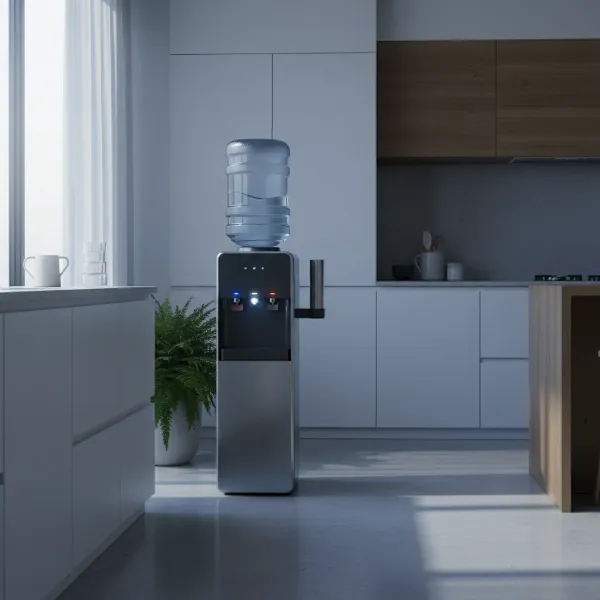
Image of a modern water dispenser providing clean, purified water safely, emphasizing user's trust.
Benefits of Self-Cleaning Ozone Technology
Beyond safety, self-cleaning ozone technology offers several compelling benefits that make it an attractive feature in water dispensers:
- Superior Disinfection: Ozone is a remarkably powerful disinfectant, capable of destroying a broad spectrum of pathogens, including bacteria, viruses, and fungi, more effectively than many chemical alternatives. It rapidly oxidizes and eliminates these microorganisms, preventing their buildup in the dispenser’s internal components.
- Chemical-Free Cleaning: One of the most significant advantages is that it eliminates the need for harsh chemical cleaning agents. This means no chemical residues are left behind in your water, contributing to purer taste and peace of mind.
- Environmentally Friendly: Since ozone reverts to oxygen after use, it doesn’t create harmful byproducts or contribute to chemical pollution, making it an eco-conscious choice for water sanitation.
- Enhanced Convenience and Hygiene: The automated self-cleaning cycles mean less manual maintenance for you. This ensures a consistently hygienic water source without constant effort, allowing you to enjoy fresh, clean water with minimal fuss.
Maintenance and Best Practices for Ozone Self-Cleaning Dispensers
While self-cleaning ozone technology significantly reduces maintenance, a few best practices ensure optimal performance and longevity for your water dispenser. Always refer to your specific manufacturer’s instructions for detailed guidance. Generally, ensuring the dispenser is placed in a well-ventilated area is a good habit, though the ozone is contained within the system. If your dispenser has additional filters for water purification (beyond the ozone cleaning), remember to replace them according to the recommended schedule to maintain water quality. Adhering to these simple steps will ensure your self-cleaning ozone water dispenser continues to provide safe, fresh, and clean drinking water for years to come.
Conclusion
Self-cleaning ozone technology in water dispensers presents an efficient, chemical-free, and largely safe method for maintaining the hygiene of your drinking water system. The critical distinction between airborne ozone gas (which can be harmful) and contained, dissolved ozonated water (which is safe for consumption and cleaning) is vital for understanding its safe application. By relying on the natural oxidizing power of ozone, these dispensers effectively eliminate contaminants and break down into harmless oxygen, providing you with pure, great-tasting water without the concerns of chemical residues. When choosing a water dispenser, understanding this technology empowers you to make an informed decision for your family’s health and convenience. Are you ready to embrace the future of hygienic hydration with a self-cleaning ozone water dispenser?
Frequently Asked Questions
Is ozonated water safe to drink immediately after a cleaning cycle?
Most modern self-cleaning ozone water dispensers are designed to ensure that any residual ozone dissipates back into oxygen before the water is dispensed. While manufacturers often build in safe delays, some suggest waiting a short period (e.g., 30 minutes) after a cleaning cycle to allow for complete ozone conversion, ensuring the water is entirely free of ozone. Always follow your specific dispenser’s manual for guidance.
Can ozone gas from a water dispenser be harmful if inhaled?
Properly functioning self-cleaning water dispensers are engineered to contain the ozone within the water system during cleaning, converting it back to oxygen before release. Therefore, significant exposure to harmful levels of ozone gas from a well-designed water dispenser is highly unlikely. Concerns about inhaled ozone primarily relate to products that release high concentrations of ozone gas directly into the air.
How often should a self-cleaning ozone water dispenser run its cycle?
The frequency of self-cleaning cycles varies by model and manufacturer. Many dispensers are programmed to run automatic cycles daily or every few hours to maintain continuous hygiene. Consult your water dispenser’s user manual to understand its specific cleaning schedule and any options for manual activation.
What are the main benefits of ozone cleaning compared to traditional methods?
Ozone cleaning offers several key benefits over traditional chemical cleaning methods, including powerful disinfection against a broad range of microorganisms, the absence of chemical residues, and an environmentally friendly process as ozone converts back to oxygen. It also provides automated convenience, reducing the need for manual cleaning.