Are you tired of the weekly ritual? You know the one I’m talking about. The heavy lifting of a massive water bottle, the awkward flip-and-spill maneuver to get it onto the cooler, and that sinking feeling when you realize you’re on the last one. Or maybe it’s the mountain of single-use plastic bottles piling up in your recycling bin. If this sounds familiar, you’re in the right place. Let’s talk about the game-changer in modern hydration and answer the big question: What Is A Direct Piping Water Dispenser? It’s more than just a convenience; it’s a complete upgrade to how you drink water at home or in the office.
The Evolution of Hydration: From the Well to Your Wall
For centuries, getting a drink of water was a chore. We went from wells and pumps to the modern convenience of tap water. Then came the bottled water boom, promising purity but bringing its own set of problems. The classic top-loading water cooler was a step up, a central hydration station for offices everywhere. But it still relied on those cumbersome, space-hogging bottles.
The industry knew there had to be a better way. This led to the innovation of the direct piping water dispenser, also known as a point-of-use (POU) or bottleless water cooler. This isn’t just another appliance; it’s an integrated part of your building’s plumbing, delivering an endless supply of purified water on demand.
What is a Direct Piping Water Dispenser and How Does it Work?
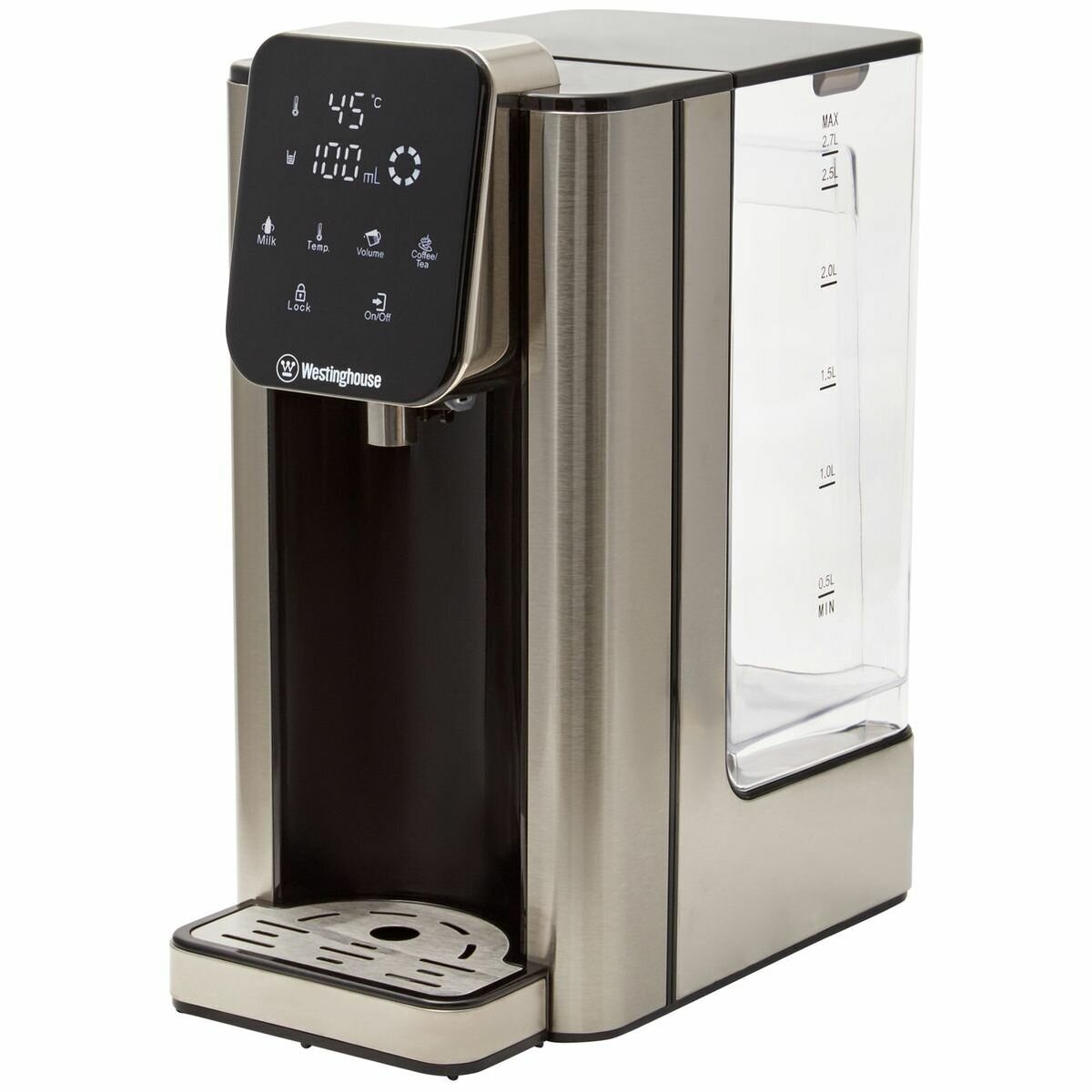
So, what is a direct piping water dispenser in simple terms? Imagine a miniature, high-tech water purification plant that connects directly to your main water line. Instead of relying on pre-filled bottles, it takes your standard tap water, puts it through a sophisticated multi-stage filtration process, and then serves it to you perfectly chilled or piping hot, whenever you want.
It’s the “set it and forget it” solution to hydration. Once professionally installed, it quietly works in the background, ensuring you and your family or colleagues always have access to clean, great-tasting water. No more calls to the water delivery company, no more storage issues, and no more back strain.
Bảng trống.Think of it this way: a traditional bottled water cooler is like a pay-as-you-go phone. You have to keep “topping it up” by buying and replacing bottles. A direct piping water dispenser is like an unlimited data plan—once it’s set up, you have an endless supply for a fixed cost.
Direct Piping vs. The Old Guard: A Head-to-Head Comparison
To truly understand the benefits, let’s see how a direct piping model stacks up against its bottled cousins. When I was tasked with outfitting our new office, this was the exact comparison I had to make.
| Feature | Direct Piping Dispenser | Bottom-Loading Dispenser | Top-Loading Dispenser |
|---|---|---|---|
| Water Source | Plumbed into main water line | 5-gallon replaceable bottles | 5-gallon replaceable bottles |
| Supply | Unlimited | Limited by bottle capacity | Limited by bottle capacity |
| Convenience | Set and forget | Must replace bottles | Must lift and flip heavy bottles |
| Long-Term Cost | Lower (no bottle purchases) | High (ongoing bottle costs) | High (ongoing bottle costs) |
| Space Required | No bottle storage needed | Requires storage for full/empty bottles | Requires storage for full/empty bottles |
| Environmental Impact | Very low (reduces plastic waste) | High (plastic bottles, delivery trucks) | High (plastic bottles, delivery trucks) |
| Water Quality | Consistently purified on-site | Quality depends on the supplier | Quality depends on the supplier |
Is a Direct Piping Water Dispenser Right for You?
The answer often comes down to your specific needs. Let’s break it down for the two most common scenarios.
For the Bustling Family Home
In a busy home, convenience is king. A direct piping water dispenser means your kids can always get a safe, filtered glass of water without help. You have instant hot water for tea, coffee, or oatmeal on rushed mornings, and purified water for cooking, which can even improve the taste of your food. Most importantly, it provides peace of mind, knowing your family is drinking water free from common tap water contaminants.
For the Modern Office
In an office setting, the return on investment is a no-brainer.
- Cost Savings: Calculate what you spend per year on bottled water delivery. A direct piping system has a higher upfront cost but dramatically lower long-term operational expenses.
- Productivity: No more lost time or potential injuries from employees changing heavy water bottles.
- Professional Image: It’s a sleek, modern amenity that shows you invest in your team’s well-being and are environmentally conscious.
The Tech Behind the Tap: A Peek Under the Hood
Ever wondered what’s going on inside these machines? It’s not magic, but it’s pretty close. The process is a symphony of advanced technology working to deliver the perfect glass of water.
The Filtration System: Your Personal Water Guardian
This is the heart of any direct piping water dispenser. Most high-quality units use a multi-stage process:
- Sediment Filter: The first line of defense, catching larger particles like rust, sand, and dirt.
- Pre-Carbon Filter: This stage uses activated carbon to absorb chlorine, foul odors, and unpleasant tastes, significantly improving the water’s palatability.
- Advanced Filtration (RO or UF):
- Reverse Osmosis (RO): Pushes water through a semi-permeable membrane to remove even the tiniest dissolved solids, like heavy metals and fluoride. This is the gold standard for purity.
- Ultrafiltration (UF): Uses a hollow fiber membrane to remove bacteria, viruses, and cysts while retaining beneficial minerals.
- Post-Carbon Filter: A final “polishing” stage that ensures the water tastes crisp and fresh right before it hits your glass.
- UV Sterilization (Optional): Some premium models use Ultraviolet light as a final, non-chemical step to neutralize any remaining bacteria or viruses, offering an extra layer of security.
As Jonathan Carter, a water quality specialist with over 15 years in the industry, often says, “A point-of-use dispenser doesn’t just chill and heat water; it takes full control of its quality right where you drink it. That’s a level of safety bottled water, which is transported and stored, can’t always guarantee.”
The Cooling and Heating Mechanisms
How does it get hot and cold so fast? There are two main technologies at play.
- Compressor (Block) Cooling: This is the same technology used in your kitchen refrigerator. It’s powerful, efficient, and can chill a large volume of water quickly, making it ideal for high-traffic environments like offices. It delivers truly cold water.
- Thermoelectric (Chip) Cooling: This method uses a semiconductor chip to transfer heat. It’s quieter and more energy-efficient for low usage but doesn’t get the water as ice-cold as a compressor. It’s best suited for small homes or personal use.
For heating, most units use a highly efficient heating element in a stainless steel tank to provide water hot enough for tea, instant soup, or coffee.
A Quick Guide to Installation and Maintenance
How do you install a direct piping water dispenser?
While it’s possible for a seasoned DIY-er, we always recommend professional installation. A technician will run a small, flexible water line (usually 1/4 inch) from the nearest cold-water source—typically under a sink—and connect it to the back of the dispenser. The line can be discreetly hidden behind cabinets, along baseboards, or through a ceiling.
How do you maintain the unit?
Maintenance is surprisingly simple and is key to ensuring your dispenser has a long, productive life.
- Change the Filters: This is the most crucial step. Follow the manufacturer’s schedule, which is typically every 6 to 12 months, depending on the filter type and your water quality.
- Clean the Exterior: Regularly wipe down the dispenser, drip tray, and faucets with a mild disinfectant to keep things sanitary.
- Sanitize the System: About once a year, it’s a good idea to flush and sanitize the internal tanks and water lines using a manufacturer-approved sanitation kit.
Frequently Asked Questions (FAQ)
1. How much does a direct piping water dispenser cost?
The initial purchase price can range from a few hundred to over a thousand dollars, depending on features like filtration type, cooling power, and brand. However, they can save you hundreds of dollars per year compared to bottled water services, often paying for themselves in 1-2 years.
2. Is the filtered water really safe to drink?
Absolutely. In many cases, it’s safer than bottled water. A multi-stage filtration system, especially one with RO or UV technology, removes a far wider range of contaminants than what might be found in either tap or bottled water.
3. Do direct piping water dispensers use a lot of electricity?
Modern units are designed for energy efficiency. Models with ENERGY STAR ratings are particularly good at minimizing power consumption. The electricity cost is often comparable to, or even less than, the delivery fees and fuel surcharges of bottled water services.
4. How often do I really need to change the filters?
Stick to the manufacturer’s recommendation, usually every 6-12 months. Waiting too long can clog the filters, reducing water flow and, more importantly, compromising the purification quality.
5. Can I install a direct piping water dispenser myself?
While possible if you’re very handy with plumbing, professional installation is highly recommended. It ensures the connection is secure, leak-free, and doesn’t void your warranty.
The Final Word
Choosing a water dispenser is about more than just H2O. It’s about convenience, health, cost, and environmental responsibility. A direct piping water dispenser addresses all these points, offering a seamless and superior way to stay hydrated. It’s an investment in a simpler, healthier lifestyle, freeing you from the endless cycle of buying, lifting, and storing water bottles. By making the switch, you’re not just getting a new appliance; you’re adopting a smarter way to drink water.