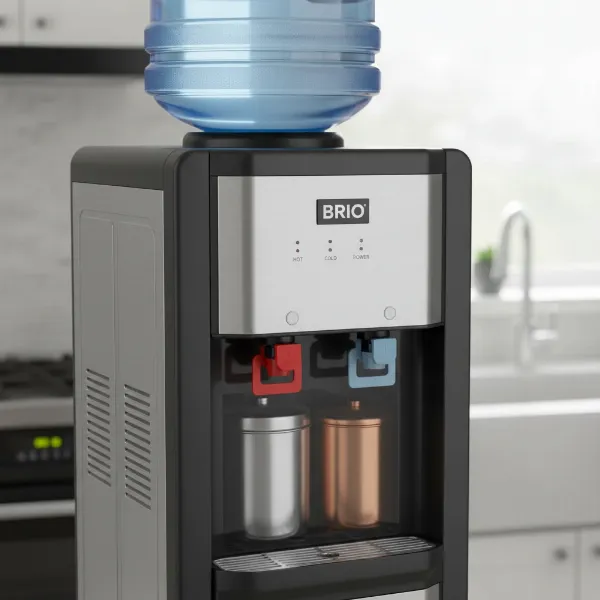
In today’s fast-paced world, access to clean, readily available drinking water is more crucial than ever. For many, a water dispenser has become an indispensable appliance, transforming the way we hydrate at home and in the workplace. This comprehensive guide, framed as an essential review of the water dispenser category, will delve into the diverse world of water dispensers, helping you understand their benefits, types, and what to look for when making your next purchase, ensuring your family or office enjoys pure, perfectly temperate water with ease.
Water Dispenser: A Convenient Hydration Solution for Every Family
A water dispenser offers an unparalleled level of convenience, providing instant access to drinking water without the hassle of bottles or complex filtration systems. It’s a simple yet effective solution for maintaining optimal hydration throughout the day, ensuring water is always available at your preferred temperature. Beyond convenience, these units contribute significantly to a healthier lifestyle by encouraging consistent water intake and often providing filtered water, free from impurities.
Benefits of Using a Water Dispenser
Water dispensers offer a multitude of advantages that go beyond just quenching thirst. They streamline daily hydration, making it an effortless part of any routine.
- Convenience and Speed: Gone are the days of waiting for water to chill in the refrigerator or boil on the stove. A water dispenser provides instant access to hot, cold, or room-temperature water with the touch of a button, perfect for a quick drink, a cup of tea, or even instant noodles.
- Water Always Ready at Desired Temperature: Whether you crave a refreshing cold glass after a workout or hot water for your morning coffee, a dispenser delivers it precisely as you need it, maximizing comfort and efficiency in your daily routines.
- Cost Savings Compared to Bottled Water: Investing in a water dispenser, especially one that uses refillable jugs or connects to your water line, can significantly reduce your reliance on single-use plastic bottles, leading to considerable long-term savings and a smaller environmental footprint.
- Safer and More Hygienic: Many modern water dispensers incorporate advanced filtration systems and are designed for easy cleaning, ensuring that the water you drink is not only accessible but also clean and free from contaminants. Features like child locks on hot water taps also enhance safety.
|
Our Picks for the Best Water Dispenser in 2026
As an Amazon Associate I earn from qualifying purchases.
|
||
| Num | Product | Action |
|---|---|---|
| 1 | Brio Commercial Grade Bottleless Ultra Safe Reverse Osmosis Drinking Water Filter Water Cooler Dispenser-3 Temperature Settings Hot, Cold & Room Water - UL Approved – Point of Use |

|
| 2 | Brio 130 Series Top-Load Water Cooler Dispenser for 3- and 5-Gallon Bottles, Hot & Cold, Spill-Free Loading, Child Safety Lock, Energy Star 3.0, Black |
|
| 3 | Housiwill Countertop Water Dispenser, Top Loading Water Cooler for 1.2 to 5 Gallon, 3 Temperature Settings Room Temperature Water Cold Hot Water Dispenser, Suitable for Home, Office, Dorm Bedside Use |
|
| 4 | Brita UltraMax Large Water Dispenser With Standard Filter, BPA-Free, Reduces Copper, Cadmium and Mercury Impurities, Lasts 2 Months or 40 Gallons, Includes 1 Filter, Kitchen Accessories, Large 27-Cup |
|
| 5 | Brio Countertop Self Cleaning Bottleless Water Cooler Dispenser with Filtration - Hot Cold and Room Temperature Water. Free Extra Replacement Filters Included - UL/Energy Star Approved |
|
| 6 | Igloo Top Loading Water Cooler with Removable Tray & Energy-Saving Features - Water Tower with Hot, Cold Temperature Settings- Water Dispenser Fits 3 & 5-Gallon Jugs with Child Safety Lock- Stainless |
|
| 7 | Brio Limited Edition Top Loading Water Cooler Dispenser - Hot & Cold Water, Child Safety Lock, Holds 3 or 5 Gallon Bottles - UL/Energy Star Approved |
|
| 8 | Brio Bottom Loading Water Cooler Dispenser for 5 Gallon Bottles - 3 Temperatures with Hot, Room & Cold Spouts, Child Safety Lock, LED Display with Empty Bottle Alert, Stainless Steel |
|
| 9 | Primo Bottom-Loading Self-Sanitizing Water Dispenser - 2 Temp (Hot-Cold) Water Cooler Water Dispenser for 5 Gallon Bottle w/Child Safety Lock, Black and Stainless Steel |
|
| 10 | Water Jug Pump for 5 Gallon Bottle – Portable Electric USB-C Charging Dispenser, Dual Powerful Motors, Fast Flow, Fits 2-5 Gallon Jugs – Ideal for Home, Office, Camping, RV, Black |
|
Popular Types of Water Dispensers on the Market
The market for water dispensers is diverse, offering various models to suit different needs, spaces, and preferences. Understanding these types is the first step in finding your perfect hydration partner.
- Countertop Water Dispensers: These compact units are ideal for smaller kitchens, apartments, or office spaces where floor area is limited. They typically hold smaller water bottles and often offer hot and cold functions, providing convenient access without occupying much room.
- Freestanding Water Dispensers: As their name suggests, these are standalone units that occupy floor space. They are generally larger, designed to hold standard 3- or 5-gallon water bottles, making them suitable for larger families, bustling offices, or communal areas with higher water consumption.
- Hot and Cold Water Dispensers: The most common configuration, these dispensers provide both chilled and heated water on demand. They are incredibly versatile, catering to a wide range of uses from refreshing drinks to preparing hot beverages or instant meals, offering maximum utility from a single appliance.
- Filtered Water Dispensers: Integrating a water filtration system, these dispensers connect directly to your home’s water line or use an internal reservoir that purifies tap water. This eliminates the need for external water bottles, offering a continuous supply of clean, filtered drinking water, often with hot and cold options.
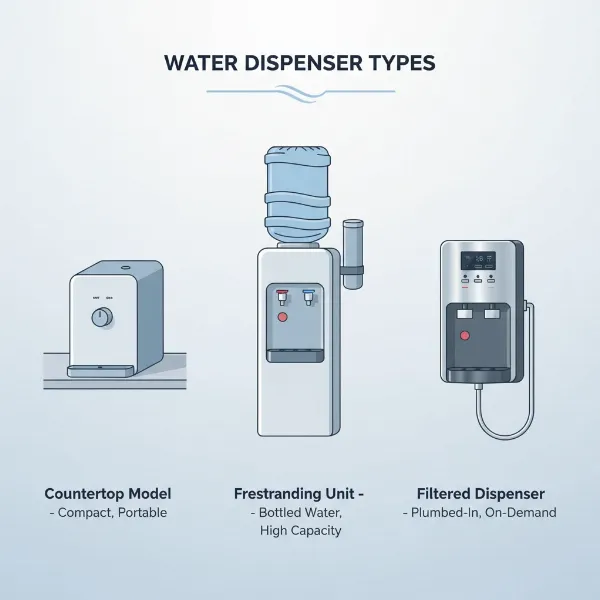 A diverse range of water dispensers showcasing countertop, freestanding, and filtered models for various home and office settings.
Comparing Different Water Dispenser Types
When selecting a water dispenser, it’s helpful to consider how different types stack up against each other in terms of features, size, and suitability for various environments.
| Feature | Countertop Water Dispenser | Freestanding Water Dispenser | Hot and Cold Water Dispenser | Filtered Water Dispenser |
|---|---|---|---|---|
| Size | Small, space-saving | Large, floor-standing | Varies (countertop or freestanding) | Large (often plumbed-in) |
| Capacity | Smaller bottles/reservoirs | Large 3-5 gallon bottles | Varies by model | Continuous via water line |
| Portability | Easy to move | Difficult to move | Varies | Fixed installation |
| Functions | Often hot/cold | Usually hot/cold | Hot/cold (primary function) | Hot/cold, water filtration |
| Price Range | Lower | Higher | Mid-range to high | High (initial investment) |
| Ideal For | Small families, small offices, dorms | Large families, busy offices, public spaces | General home/office use | Health-conscious users, offices, large families seeking continuous pure water |
How to Choose the Right Aquanique Water Dispenser for Your Needs
Selecting the perfect water dispenser involves more than just picking the first one you see. By considering a few key factors, you can ensure the model you choose perfectly matches your lifestyle and provides optimal hydration.
- Determine Your Usage Needs: Start by asking yourself: Is the dispenser for a small family or a busy office? Do you primarily need cold water for refreshing drinks, or is instant hot water for tea and coffee a must-have? Your daily consumption and specific temperature requirements will guide your decision.
- Choose the Appropriate Water Dispenser Type: Based on your space and aesthetic preferences, decide between a compact countertop model, a robust freestanding unit, a versatile hot and cold dispenser, or a plumbed-in filtered system. Each type offers distinct advantages for different settings.
- Consider the Capacity: For bottled water dispensers, choose a capacity that aligns with the number of users to avoid frequent bottle changes. For filtered models, continuous supply often negates capacity concerns, but flow rate might be a factor.
- Pay Attention to Material Quality: Opt for dispensers made from food-grade, BPA-free plastics and stainless steel components to ensure water safety and product longevity. Durable materials also contribute to easier cleaning and maintenance.
- Explore Available Features: Look for additional features that enhance convenience and safety, such as child safety locks on hot water taps, indicator lights for heating/cooling, energy-saving modes, or self-cleaning functions. These details can significantly improve the user experience.
- Consult User Reviews and Ratings: While a specific Aquanique model review might be elusive, general Water Dispenser Reviews from other users can offer valuable insights into common issues, reliability, and overall satisfaction with similar products from reputable brands. This collective feedback helps in making an informed decision.
- Purchase from Reputable Retailers: Always buy your water dispenser from authorized dealers or well-known electronics stores to ensure product authenticity, valid warranty coverage, and reliable after-sales support.
Reputable Water Dispenser Brands on the Market
While specific information on “Aquanique” as a drinking water dispenser brand may be limited, many reputable manufacturers offer a wide array of high-quality water dispensers. Brands like Sunhouse, Kangaroo, Karofi, and Redsun are well-known in certain markets for their reliable and feature-rich products. Exploring their offerings can provide excellent alternatives and benchmarks for quality.
Tips for Using and Maintaining Your Water Dispenser
Proper use and regular maintenance are crucial for ensuring the longevity of your water dispenser and the purity of your drinking water. A little care goes a long way in keeping your unit operating efficiently and hygienically.
- Clean Your Water Dispenser Regularly: To prevent the buildup of bacteria and mineral deposits, perform a thorough cleaning every few months. This includes sanitizing the water tank, spigots, and drip tray using a food-safe cleaning solution or a vinegar-water mixture.
- Replace Water Bottles Periodically: If using a bottled water dispenser, ensure you replace empty bottles promptly to maintain a continuous supply. For filtered units, adhere to the manufacturer’s recommendations for filter replacement to ensure optimal water purification.
- Place Your Water Dispenser in a Dry, Ventilated Area: Avoid placing the unit in direct sunlight or near heat sources, as this can affect cooling efficiency and potentially damage components. A cool, dry, and well-ventilated spot is ideal.
- Avoid Direct Sunlight Exposure: Direct sunlight can not only heat the water but also encourage algae growth in clear water bottles, compromising water quality. Keep your dispenser in a shaded spot.
“A well-maintained water dispenser is an investment in daily health and convenience. Regular cleaning isn’t just about hygiene; it extends the life of your appliance, ensuring pure, refreshing hydration for years.” – Admin, WaterDispenserPro.com
Conclusion
Water dispensers have evolved into indispensable home and office appliances, offering an unparalleled blend of convenience, accessibility, and improved hydration. From the compact countertop units to advanced filtered systems, the market provides solutions for every requirement and budget. While diving into the world of “Aquanique Water Dispenser” specifically might lead to exploring broader water solutions, understanding the general benefits, types, and maintenance practices of water dispensers empowers consumers to make informed choices. By prioritizing features like hot and cold functions, filtration capabilities, and energy efficiency, you can select a unit that not only meets your immediate needs but also contributes to a healthier, more sustainable lifestyle. Embrace the ease of instant hydration and elevate your daily water intake with the perfect water dispenser.
What specific feature do you value most in a water dispenser, and how does it impact your daily routine?
Frequently Asked Questions
What are the main differences between a bottled water dispenser and a plumbed-in filtered dispenser?
Bottled water dispensers use large, removable water bottles that need to be replaced when empty, offering flexibility in placement. Plumbed-in filtered dispensers connect directly to your water line, providing a continuous supply of filtered water without the need for bottle changes, often requiring professional installation.
How often should I clean my water dispenser?
It is generally recommended to clean your water dispenser thoroughly every 3-6 months. However, if you notice any changes in water taste or appearance, or if the dispenser is used heavily, more frequent cleaning may be necessary to maintain hygiene and water quality.
Are water dispensers energy efficient?
Many modern water dispensers come with energy-saving features like automatic shut-off for heating/cooling cycles or ECO modes that reduce power consumption during off-peak hours. Look for energy-star certified models if energy efficiency is a primary concern for your “Aquanique Water Dispenser” choice.
Can I use any brand of water bottle with my dispenser?
Most bottled water dispensers are designed to accommodate standard 3-gallon or 5-gallon water bottles with a universal neck opening. However, it’s always best to check the manufacturer’s specifications to ensure compatibility and avoid potential leaks or improper fitting.