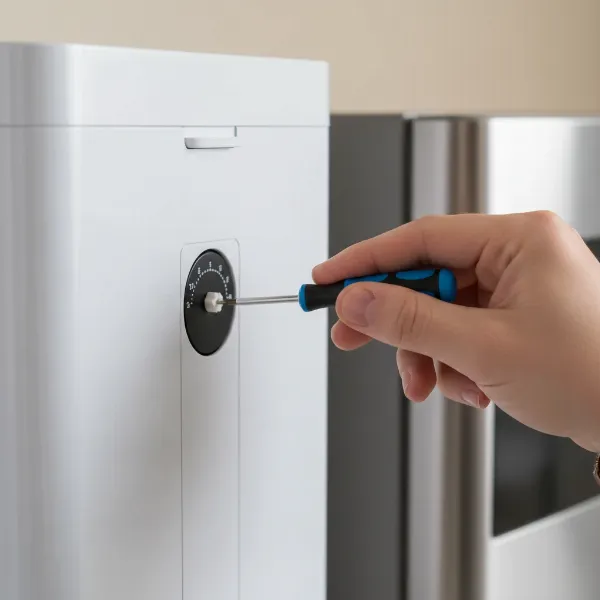
There’s nothing quite like reaching for a glass of refreshing, ice-cold water on a hot day, only to be met with lukewarm disappointment. A water dispenser is a cornerstone of modern convenience, providing instant access to hydration at the perfect temperature. When your water dispenser stops dispensing cold water, it can disrupt your daily routine and leave you wondering what went wrong. Don’t worry, you’re not alone, and often, the solution is simpler than you think. This guide will help you diagnose and fix the most common culprits behind a cold water outage, getting your dispenser back to peak performance.
Water Dispenser: A Hub of Hydration for Every Home and Office
Water dispensers have evolved to become indispensable appliances, offering more than just purified water. They bring unparalleled convenience and contribute significantly to a healthier lifestyle by encouraging consistent hydration. Whether in a bustling office or a busy family home, the benefits are clear. You get water readily available at your desired temperature, reducing the need for bottled water and promoting better hygiene with controlled dispensing.
Benefits of Using a Water Dispenser
- Convenience and Speed: Instant access to hot, cold, or room temperature water.
- Water on Demand: No waiting for water to chill in the refrigerator or boil on the stove.
- Cost Savings: Often more economical than consistently purchasing single-use plastic water bottles.
- Enhanced Safety and Hygiene: Many models offer filtration systems and enclosed designs, reducing exposure to contaminants.
|
Our Picks for the Best Water Dispenser in 2026
As an Amazon Associate I earn from qualifying purchases.
|
||
| Num | Product | Action |
|---|---|---|
| 1 | Brio 130 Series Top-Load Water Cooler Dispenser for 3- and 5-Gallon Bottles, Hot & Cold, Spill-Free Loading, Child Safety Lock, Energy Star 3.0, Black |

|
| 2 | Brio Countertop Self Cleaning Bottleless Water Cooler Dispenser with Filtration - Hot Cold and Room Temperature Water. Free Extra Replacement Filters Included - UL/Energy Star Approved |
|
| 3 | Primo Bottom-Loading Self-Sanitizing Water Dispenser - 2 Temp (Hot-Cold) Water Cooler Water Dispenser for 5 Gallon Bottle w/Child Safety Lock, Black and Stainless Steel |
|
| 4 | Igloo Top Loading Water Cooler with Removable Tray & Energy-Saving Features - Water Tower with Hot, Cold Temperature Settings- Water Dispenser Fits 3 & 5-Gallon Jugs with Child Safety Lock- Stainless |
|
| 5 | Brita UltraMax Large Water Dispenser With Standard Filter, BPA-Free, Reduces Copper, Cadmium and Mercury Impurities, Lasts 2 Months or 40 Gallons, Includes 1 Filter, Kitchen Accessories, Large 27-Cup |
|
| 6 | Brio Commercial Grade Bottleless Ultra Safe Reverse Osmosis Drinking Water Filter Water Cooler Dispenser-3 Temperature Settings Hot, Cold & Room Water - UL Approved – Point of Use |
|
| 7 | Housiwill Countertop Water Dispenser, Top Loading Water Cooler for 1.2 to 5 Gallon, 3 Temperature Settings Room Temperature Water Cold Hot Water Dispenser, Suitable for Home, Office, Dorm Bedside Use |
|
| 8 | Brio Limited Edition Top Loading Water Cooler Dispenser - Hot & Cold Water, Child Safety Lock, Holds 3 or 5 Gallon Bottles - UL/Energy Star Approved |
|
| 9 | Water Jug Pump for 5 Gallon Bottle – Portable Electric USB-C Charging Dispenser, Dual Powerful Motors, Fast Flow, Fits 2-5 Gallon Jugs – Ideal for Home, Office, Camping, RV, Black |
|
| 10 | Brio Bottom Loading Water Cooler Dispenser for 5 Gallon Bottles - 3 Temperatures with Hot, Room & Cold Spouts, Child Safety Lock, LED Display with Empty Bottle Alert, Stainless Steel |
|
Popular Types of Water Dispensers on the Market
The market offers a diverse range of water dispensers, each designed to cater to specific needs and spaces. Understanding these types can help you identify features relevant to your troubleshooting process.
- Countertop Water Dispensers: Compact and ideal for smaller spaces or occasional use, typically holding smaller bottles.
- Freestanding Water Dispensers: Larger capacity units, suitable for homes with more users or office environments.
- Hot and Cold Water Dispensers: The most common variety, providing both heating and cooling functions.
- Filtered Water Dispensers (Bottleless/Point-of-Use): Connect directly to your home’s water line, incorporating advanced filtration systems for continuous clean water.
Comparing Water Dispenser Types
| Feature | Countertop Water Dispenser | Freestanding Water Dispenser | Hot & Cold Water Dispenser | Filtered Water Dispenser |
|---|---|---|---|---|
| Size | Small | Large | Medium | Large |
| Capacity | Small | Large | Medium | Continuous |
| Portability | Easy | Difficult | Moderate | Difficult |
| Functionality | Hot/Cold (often basic) | Hot/Cold | Hot/Cold | Hot/Cold, Filtration |
| Price | Low | High | Medium | High |
| Ideal User | Small families, small offices | Large families, large offices | Families, offices | Health-conscious, busy environments |
Common Reasons Your Water Dispenser Isn’t Dispensing Cold Water
When your water dispenser isn’t chilling water, a few key areas are usually responsible. Understanding these common problems is the first step toward a quick fix.
Power Supply and Electrical Settings
A surprisingly common oversight, electrical issues can halt your dispenser’s cooling function entirely. Check if the unit is firmly plugged into a working outlet and ensure no circuit breakers have tripped. Many dispensers also feature a dedicated “cold water” or “cooling” switch, often located on the back of the unit, which might have been accidentally switched off. Proper ventilation is also crucial; blocked vents can lead to overheating, preventing the cooling system from working effectively.
Water Supply Issues
No water in the reservoir means no cold water can be produced. For bottled units, ensure the water bottle is not empty and is properly seated. Sometimes, an “airlock” can occur, trapping air and preventing water flow; this is often resolved by simply removing and re-seating the bottle or bleeding air from the system. For mains-fed dispensers, check that the main water supply valve to the unit is open and that the water line isn’t kinked or clogged.
Cooling System Malfunctions
The internal cooling system, typically involving a compressor and fan, is responsible for chilling your water. If you notice unusual noises, a lack of fan operation, or if the unit feels excessively warm, there might be an issue with these components. Refrigerant leaks are rare but serious problems, often indicated by a complete lack of cooling without other apparent causes, and require professional attention. Excessive demand, where a large amount of cold water is dispensed in a short period, can also temporarily deplete the cold reservoir, requiring time for it to re-chill.
Filter Issues
For filtered or bottleless water dispensers, a clogged or old water filter can significantly impede water flow, and in some cases, affect the cooling efficiency if the system isn’t receiving adequate water. Regular filter replacement is essential for both water quality and dispenser performance.
Internal Component Displacements
In some bottled water dispensers, an internal baffle separates hot and cold water. If this component becomes dislodged during a bottle change, it can disrupt the cooling process or even prevent water from dispensing properly.
Your Step-by-Step Troubleshooting Guide
Before calling a professional, run through these simple steps to identify and resolve common cold water dispensing problems. Remember to always unplug your dispenser before performing any internal checks or repairs for safety.
1. Check Power and Switches
First, ensure your water dispenser is securely plugged into a functional electrical outlet. Verify that any power strips or wall switches are turned on. Many dispensers have separate switches for hot and cold water, usually located on the back. Confirm the cold water switch is in the “on” position. If your unit has been unplugged or switched off, it may take several hours for the water to reach its optimal cold temperature once power is restored.
2. Verify Water Supply
For bottled dispensers, make sure the water bottle isn’t empty and is correctly seated on the unit. Sometimes, an air bubble can prevent water from flowing into the cold reservoir; try lifting and reseating the bottle, or dispense some water from both hot and cold taps to bleed any trapped air. If you have a mains-fed dispenser, check that the main water supply valve is fully open and inspect the water line behind the unit for any kinks or blockages.
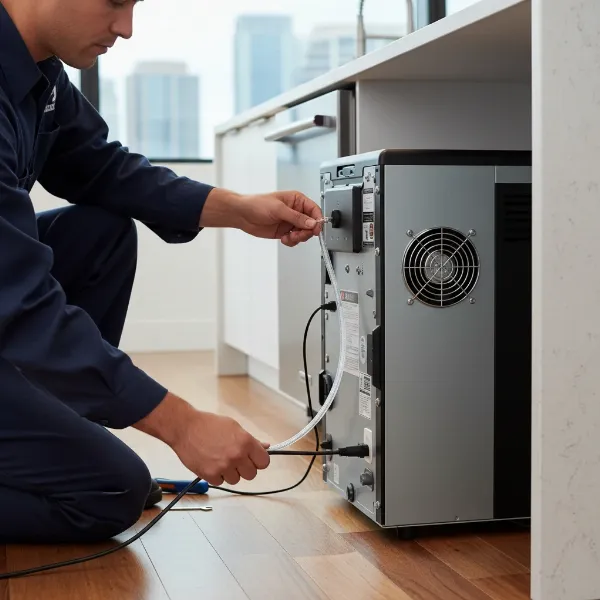 Technician inspecting power and water connections of a water dispenser for troubleshooting
3. Inspect Thermostat and Ventilation
Locate the thermostat control, typically a dial or digital setting, often on the back or side of the unit. Ensure it’s set to a sufficiently cold temperature. Additionally, confirm that the air vents around your dispenser are clear of obstructions like dust, walls, or furniture. Proper airflow is vital for the cooling system to dissipate heat and function efficiently. Clear any dust or debris from the vents using a soft brush or vacuum.
4. Examine Water Lines and Filter
For filtered and mains-fed units, inspect the water lines for any signs of kinks, freezing, or blockages. A frozen line might require unplugging the unit and allowing it to thaw. If your dispenser has a replaceable water filter, a clogged filter is a frequent culprit for reduced water flow and can impact cooling. Consult your user manual for instructions on how to inspect or replace the filter. Most filters need changing every 3-6 months depending on usage.
5. Reset the Dispenser
A simple power cycle can often resolve minor electronic glitches. Unplug your water dispenser from the wall outlet for at least 30 minutes, or even overnight if possible. Then, plug it back in and allow several hours for the cooling system to fully reset and chill the water. This can sometimes clear internal errors affecting the cooling function.
6. Assess Cooling Components
If basic checks don’t resolve the issue, and you suspect a problem with the compressor or fan, listen for unusual noises. A compressor that runs continuously without cooling, or a fan that isn’t spinning, indicates a potential mechanical failure. While these components are often repairable, they usually require specialized tools and expertise.
When to Call a Professional
While many water dispenser problems can be fixed with DIY troubleshooting, some issues are best left to the experts. If you’ve tried all the above steps and your water dispenser still isn’t dispensing cold water, or if you encounter any of the following, it’s time to call a qualified technician:
- Suspected Compressor or Refrigerant Issues: These are complex systems that require specialized tools and knowledge to repair safely and effectively.
- Persistent Electrical Problems: If the unit is still not receiving power or short-circuiting despite basic checks, there might be a deeper electrical fault.
- Major Leaks: While minor leaks can sometimes be fixed, significant or unexplained leaks could indicate internal damage.
- Unusual Noises or Smells: Grinding sounds, burning odors, or other alarming symptoms could point to serious mechanical or electrical failures.
> “Always prioritize safety. If you’re unsure about a step or suspect an internal component failure, it’s always best to consult a certified appliance technician to avoid further damage or injury.” – John Smith, Senior Water Dispenser Technician.
Guiding Your Purchase: Selecting the Right Water Dispenser
Choosing the right water dispenser involves considering several factors to match your lifestyle and needs.
- Identify Your Usage Needs: Determine if the dispenser is for a small family, a large household, or a commercial office. This impacts the required capacity and features. Do you need hot and cold, or just cold water?
- Match Type to Space: Countertop models are perfect for limited spaces, while freestanding units offer more capacity but require dedicated floor space.
- Consider Capacity: A larger family or office will benefit from a higher-capacity unit or a filtered, point-of-use dispenser for continuous supply.
- Evaluate Material Quality: Look for models made from durable, food-grade materials that ensure water purity and longevity. Stainless steel reservoirs are often preferred for hygiene.
- Explore Extra Features: Child safety locks for hot water, energy-saving modes, self-cleaning functions, and advanced filtration stages can add significant value.
- Read User Reviews: Gain insights from other users’ experiences regarding reliability, ease of use, and customer service for specific models.
- Purchase from Reputable Retailers: Buying from authorized dealers ensures product authenticity, warranty coverage, and access to after-sales support.
Trusted Water Dispenser Brands
Many reliable brands offer high-quality water dispensers with various features. Some popular names known for their durability and performance include:
- Sunhouse
- Kangaroo
- Karofi
- Redsun
Tips for Using and Maintaining Your Water Dispenser
Proper use and regular maintenance are crucial for extending the life of your water dispenser and ensuring it consistently delivers refreshing cold water.
- Regular Cleaning: Clean your dispenser regularly, especially the water contact areas like the reservoir, taps, and drip tray, to prevent mineral buildup and bacterial growth. A vinegar and water solution is often effective for descaling.
- Timely Bottle Replacement/Filter Changes: For bottled units, replace empty bottles promptly. For filtered units, adhere to the manufacturer’s recommendations for filter replacement to maintain water quality and flow.
- Optimal Placement: Position your dispenser in a cool, dry place away from direct sunlight and heat sources. Ensure there’s adequate space around the unit for proper ventilation.
- Avoid Dry Heating: Never let the hot water tank run dry, as this can damage the heating element. Always ensure there’s water in the dispenser before turning on the hot water function.
Conclusion
A water dispenser that stops dispensing cold water can be frustrating, but by systematically working through common issues, you can often restore its function yourself. From simple power checks and ensuring a full water supply to clearing airlocks and cleaning vents, most problems have straightforward solutions. Remember, consistent maintenance is your best defense against future issues, ensuring your dispenser remains a reliable source of hydration. Should the problem persist, don’t hesitate to reach out to a professional technician. Keeping these tips in mind will ensure your family or office enjoys perfectly chilled water for years to come.
What steps will you take first to get your cold water flowing again?
Frequently Asked Questions
Why is my water dispenser making noise but not dispensing cold water?
If your dispenser is making noise but no cold water is coming out, it likely indicates the compressor or fan is working, but there’s a blockage or an issue preventing water from flowing into or being chilled in the cold reservoir. Check for an empty water bottle, an airlock, a kinked water line, or a clogged filter.
How long does it take for a water dispenser to get cold?
Typically, a new water dispenser or one that has been unplugged will take approximately 2-4 hours to cool water to its optimal temperature. Factors like room temperature, initial water temperature, and the dispenser’s cooling capacity can influence this timeframe.
Can a dirty filter affect cold water dispensing?
Yes, a dirty or clogged water filter can restrict the flow of water into the dispenser’s cold reservoir. This reduced flow can hinder the cooling process or even trigger safety mechanisms that prevent the unit from chilling water, ultimately leading to little or no cold water being dispensed.
Is it normal for my water dispenser to drip occasionally?
Occasional dripping can be normal if the dispenser hasn’t been used in a while, or if there’s a slight pressure imbalance. However, continuous dripping usually indicates a worn-out faucet seal, a loose connection, or a minor crack in the reservoir, which should be addressed to prevent water waste and potential damage.